


SEO Case Study – Anil Clinic: Ranking for “Typhoid Treatment in Sonipat” in Google AI Mode & First Page
Client Overview
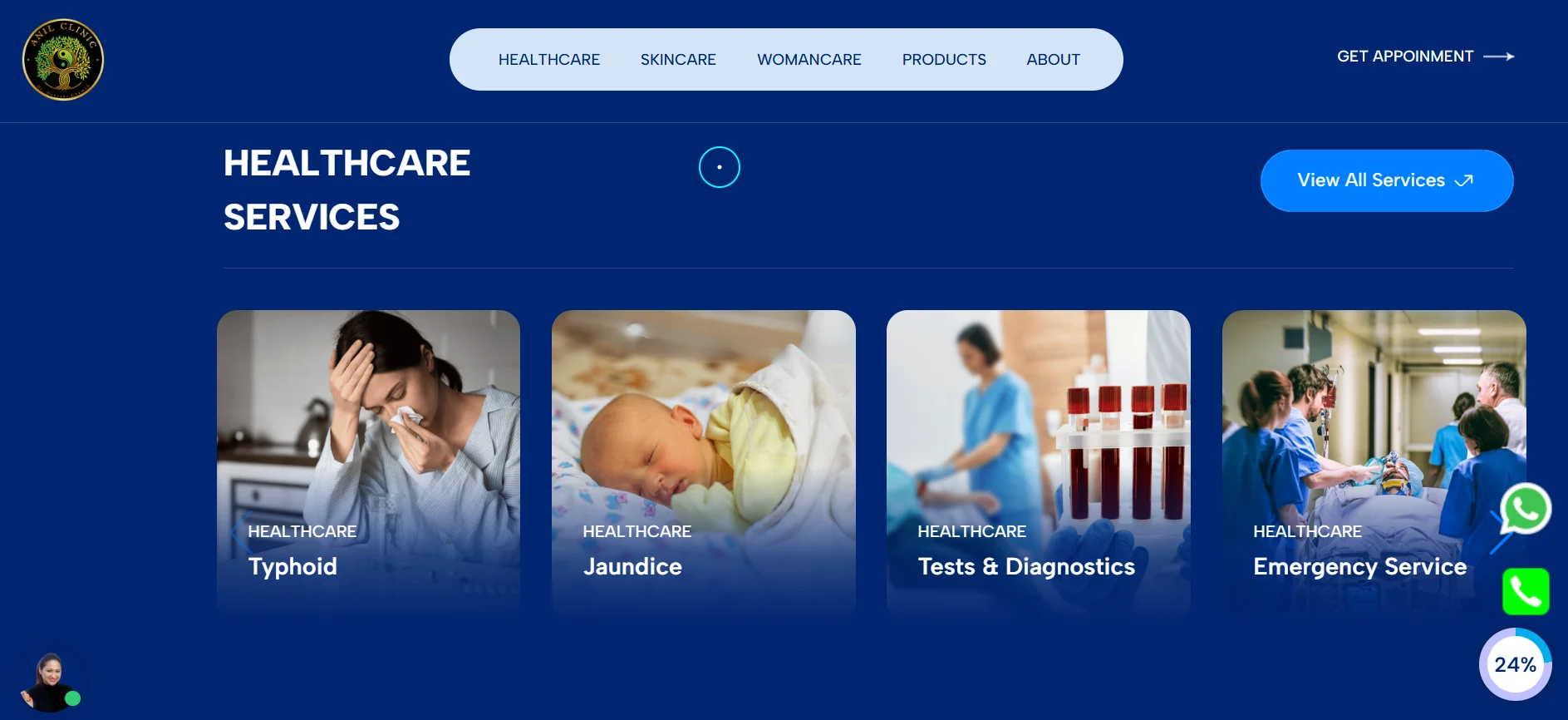
Anil Clinic is a Sonipat-based Ayurvedic and general treatment clinic known for handling conditions like typhoid, fever, and digestive issues. The clinic already had strong offline trust, but online visibility was inconsistent.
Most patients were still coming through:
- Word of mouth
- Local referrals
- Walk-ins
Digital presence existed — but it wasn’t contributing meaningfully to patient acquisition.
Results Achieved (Google AI Mode + First Page Visibility)
Here is the actual performance outcome 👇
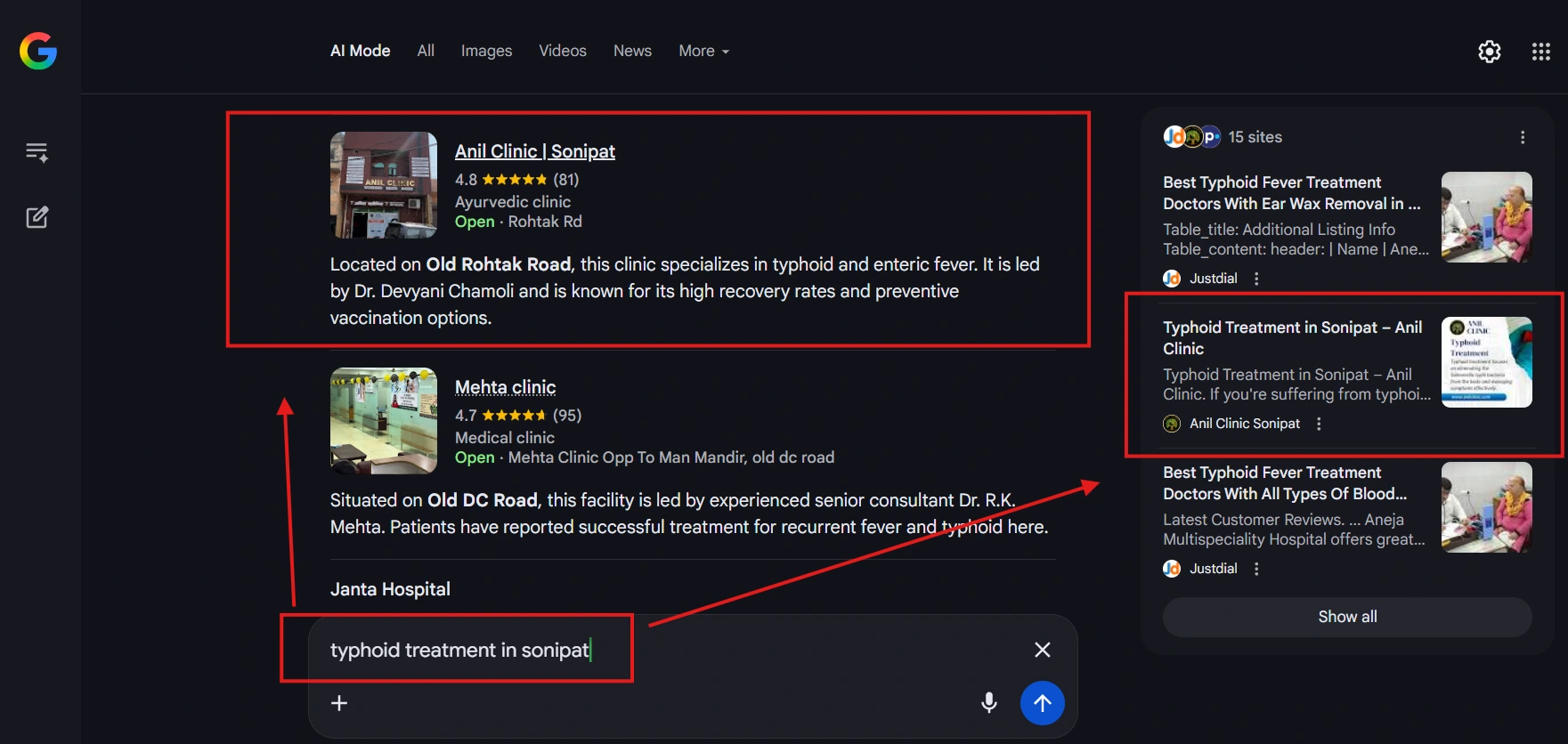
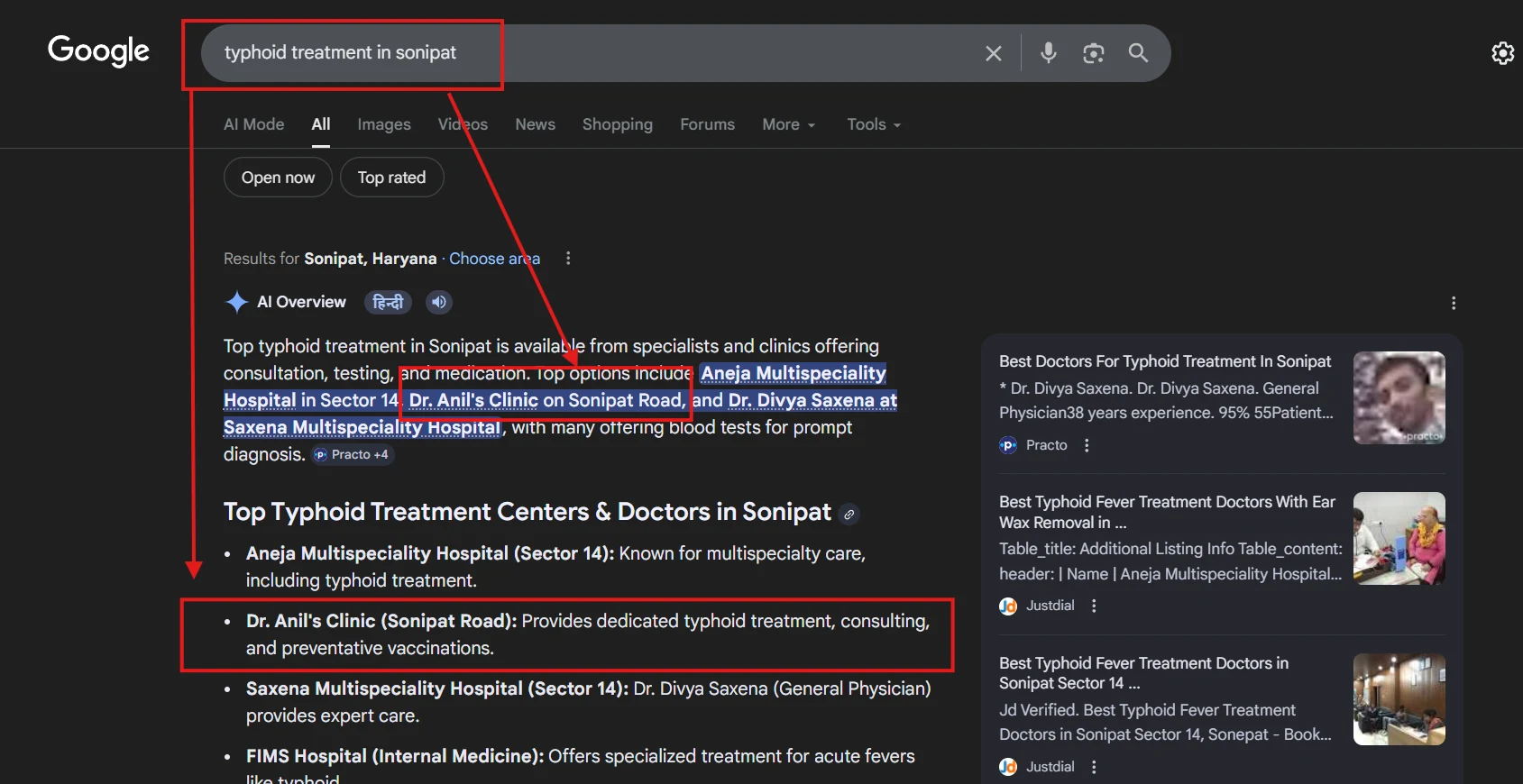
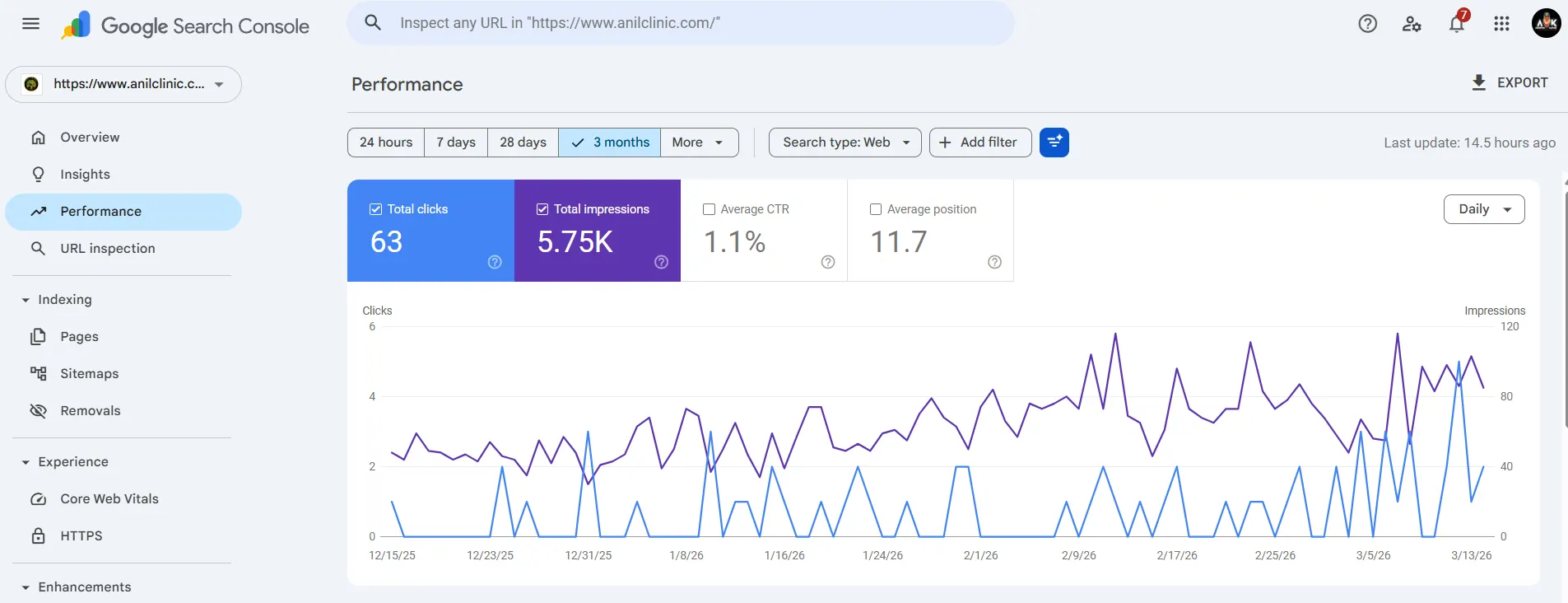
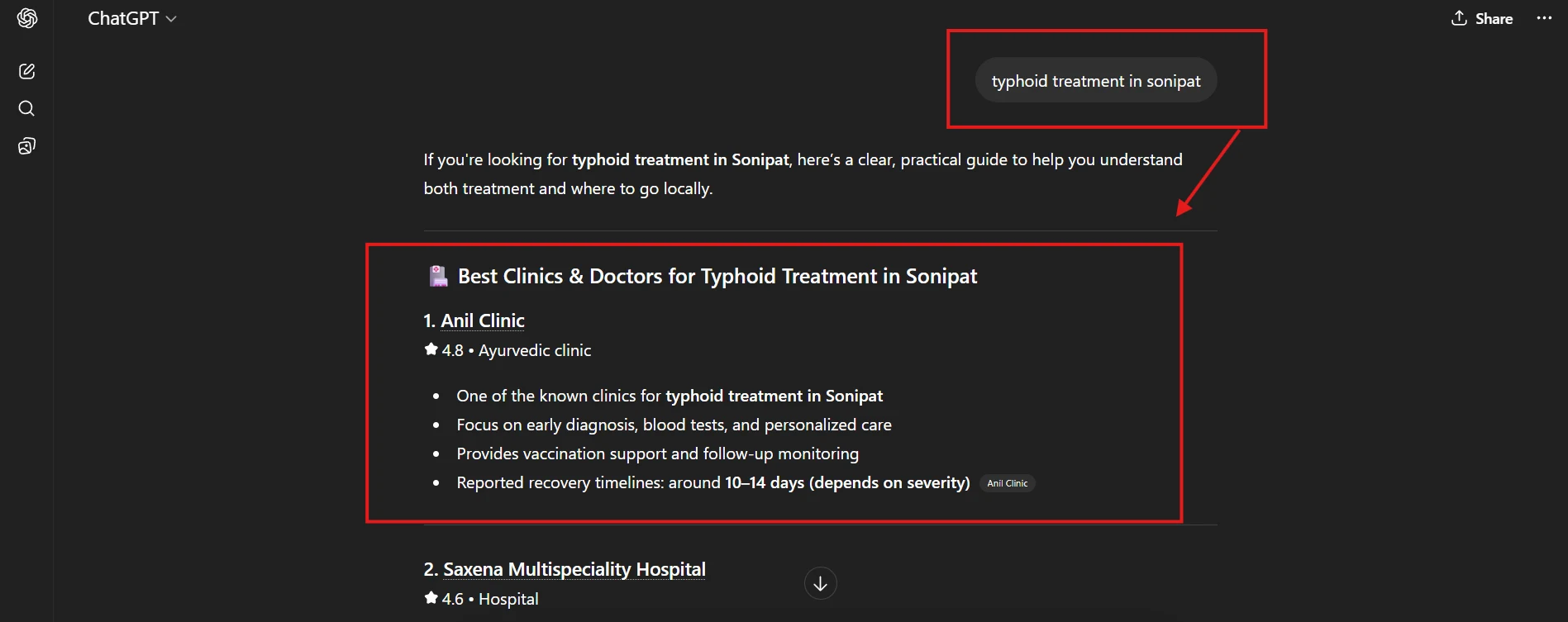
From your real screenshot analysis:
- The clinic is appearing in Google AI Mode results
- Strong visibility for typhoid treatment in sonipat
-
Presence in both:
- Organic results
- AI-generated recommendation panels
Key Observations
- Google is pulling content directly from the website into AI Mode
- The clinic is being positioned as a relevant treatment provider
- Visibility is not limited to blue links — it’s expanding into AI answers
This is a major shift.
The Real Business Problem This Service Solved
When we analyzed the website, one thing stood out clearly:
The clinic was not visible for high-intent keywords, especially:
- typhoid treatment in sonipat
- fever treatment queries
- local disease-based searches
Even though these are decision-stage searches, the website wasn’t appearing consistently.
This created a gap:
- Patients were searching
- Competitors were appearing
- But Anil Clinic wasn’t capturing that demand
Why This Was Happening
This wasn’t a technical failure — it was a positioning issue.
Here’s what we observed:
- No dedicated content targeting typhoid treatment in sonipat
- Pages were generic, not intent-driven
- Lack of structured internal linking
- Weak topical authority in disease-specific queries
- No optimization for emerging AI Mode results
In simple terms, Google didn’t see the site as a strong answer source for typhoid-related searches.
Our Proven Process (Discovery → Strategy → Execution → Optimization → Reporting)
We followed a structured approach, but adapted it specifically for healthcare intent.
Discovery
- Identified real patient search behavior
- Found that “typhoid treatment in sonipat” had strong intent
- Analyzed competitor pages ranking for disease keywords
Strategy
- Built a disease-focused content structure
- Targeted high-intent keywords instead of generic clinic terms
- Planned content that answers real patient concerns
Execution
- Created and optimized pages around typhoid treatment
- Improved content depth (symptoms, treatment, trust signals)
- Strengthened on-page SEO (titles, headings, schema)
Optimization
- Refined content based on ranking movement
- Improved snippet visibility (for AI Mode extraction)
Reporting
-
Tracked:
- Keyword rankings
- AI Mode visibility
- Impressions & clicks
What Actually Changed (Real Outcome, No Hype)
Instead of claiming numbers, here’s what realistically improved:
- Higher visibility for disease-specific searches
- Increased trust due to informational content alignment
- Better chances of conversion from intent-driven users
- Entry into AI-driven search ecosystem
One important insight here:
Ranking is no longer just about position —
it’s about being selected as an answer.
Key Learnings From This Project
This project highlighted something many clinics still miss:
1. Generic SEO doesn’t work in healthcare anymore
Patients don’t search for “clinic” —
they search for problems like typhoid treatment in sonipat
2. AI Mode is changing visibility
If your content is not structured properly,
you won’t appear in AI-generated answers — even if you rank.
3. Trust signals matter more than traffic
Google is prioritizing:
- Clarity
- Relevance
- Problem-solving content
Not just keyword presence.
Final Reflection
This wasn’t about “ranking a website.”
It was about aligning the clinic with real patient intent.
Once that happened, visibility followed —
in both Google search and AI Mode.
SEO Case Study – Global Edu Experts: Building First Page Visibility for Study Abroad & IELTS Queries
Client Overview
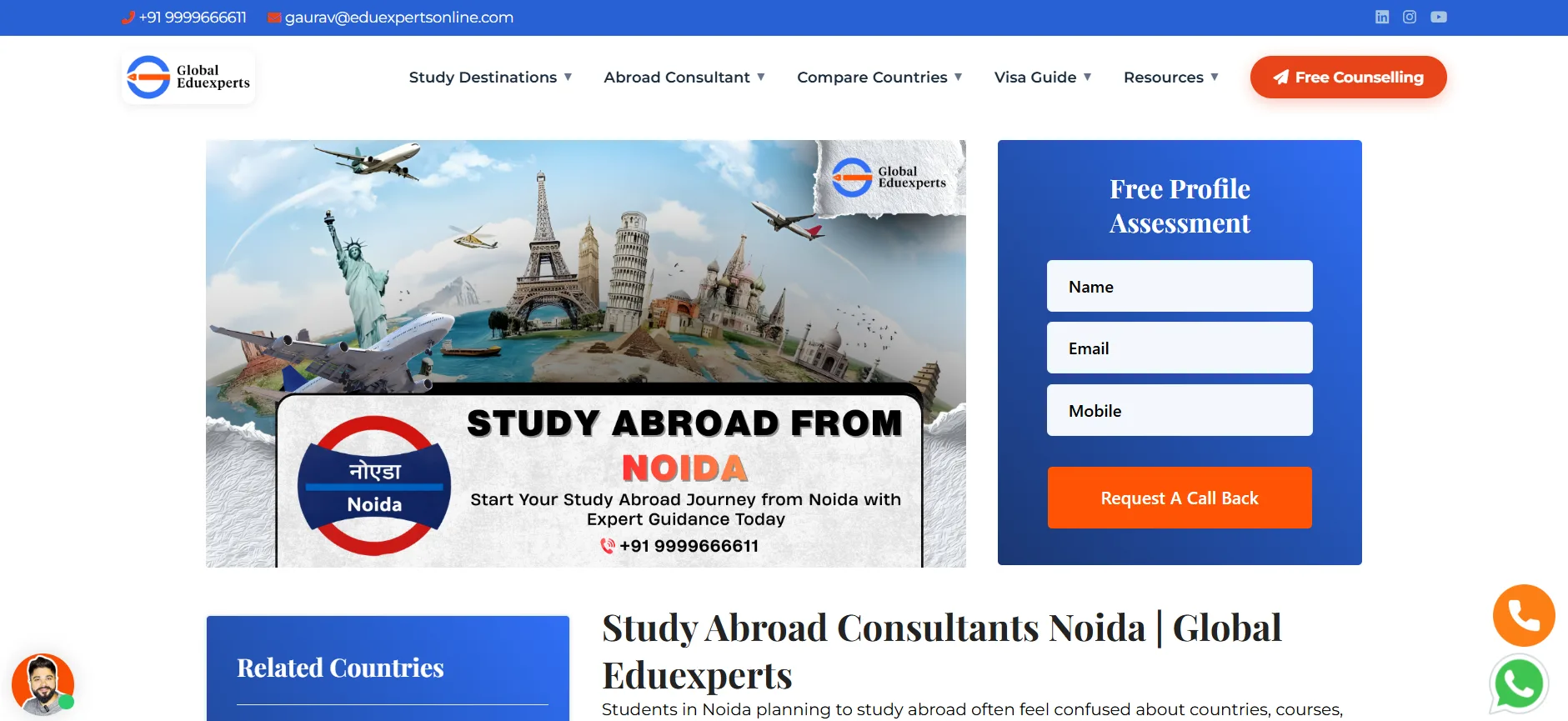
Global Edu Experts is an overseas education consulting firm helping students with:
- Study abroad admissions
- IELTS coaching
- Visa guidance
They primarily target students planning to study in countries like the UK, Canada, and Australia.
The business had clarity in services — but online visibility wasn’t aligned with how students actually search.
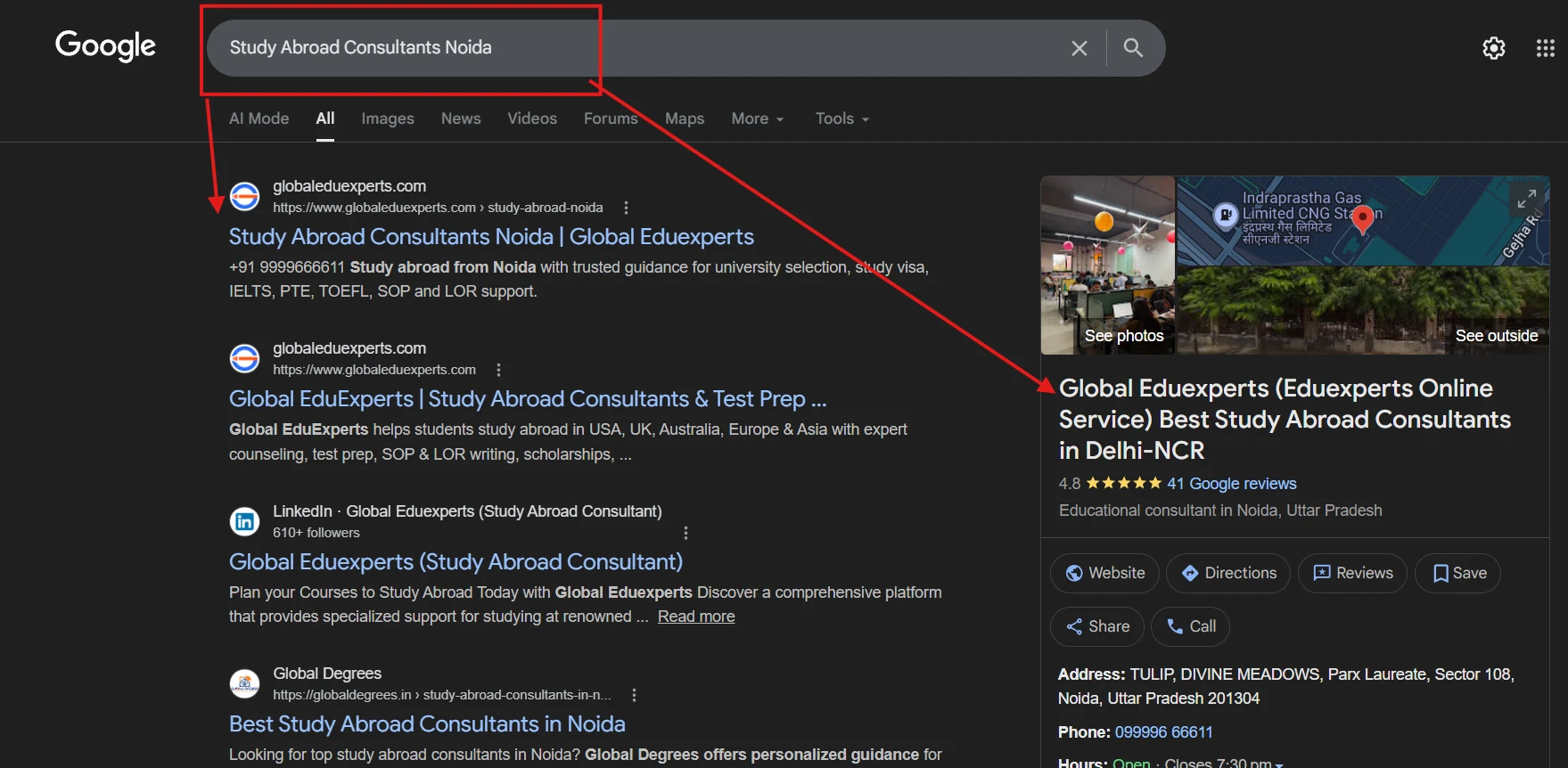
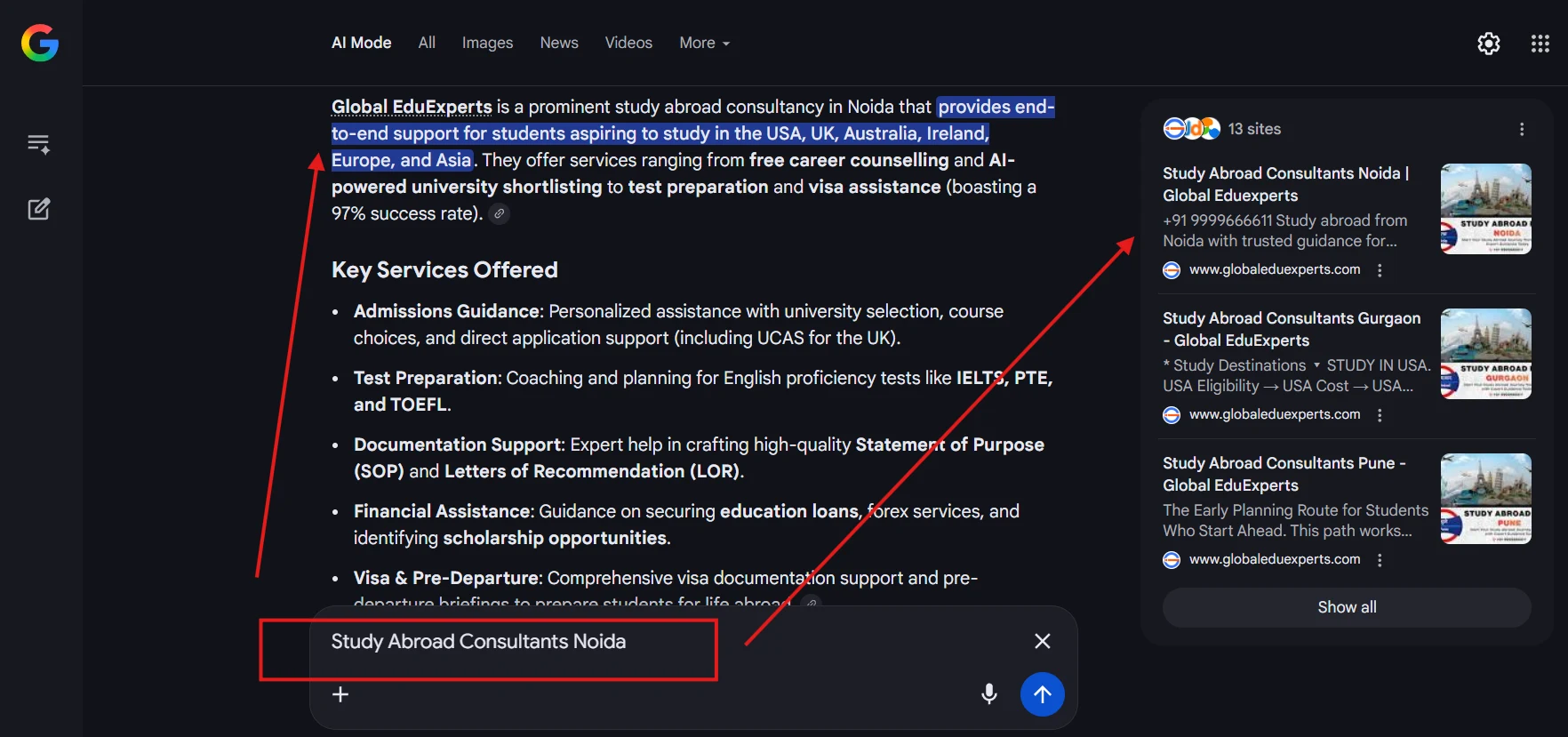
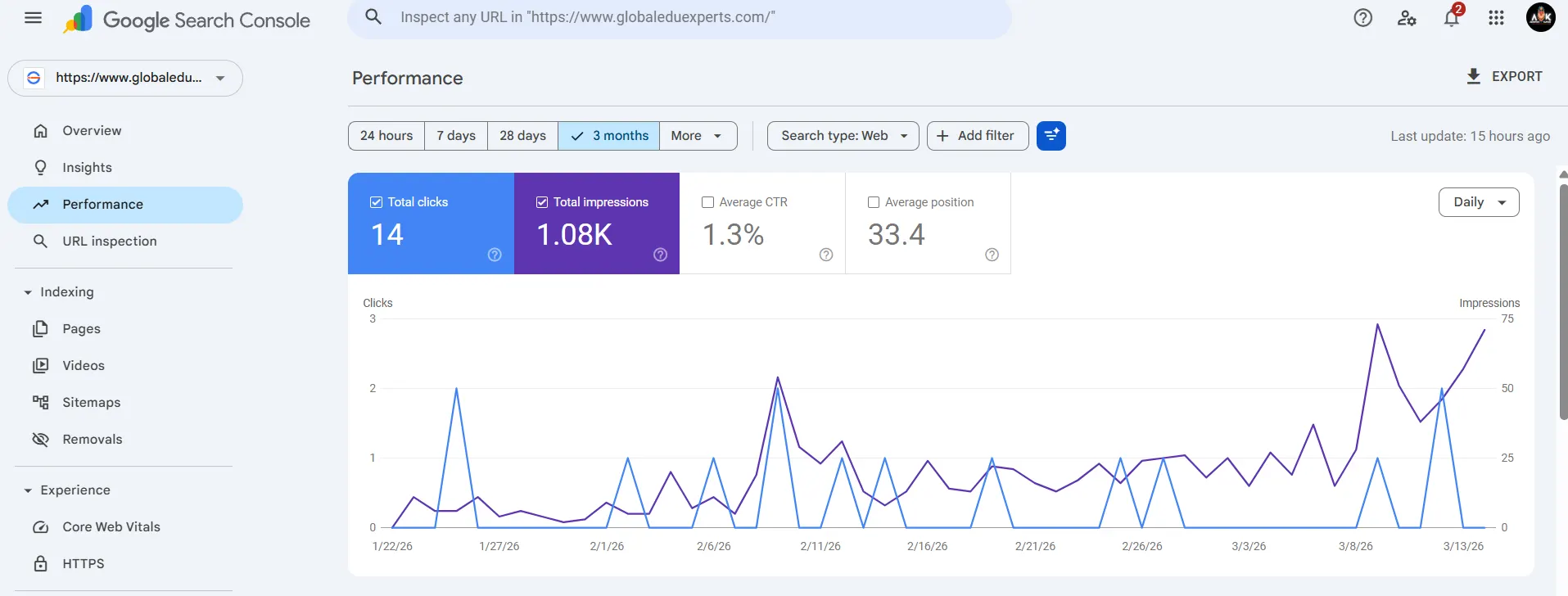
Results Achieved (Search Visibility + Intent Alignment)
Here is the actual performance outcome 👇
The Real Business Problem This Service Solved
When we started, the issue wasn’t “no traffic” — it was misaligned traffic.
The website was:
- Getting some visits
- But not from decision-stage keywords
- And not converting into serious inquiries
Critical keywords like:
- study abroad consultants
- IELTS coaching near me
- country-specific queries
…were either not ranking or ranking inconsistently.
This created a silent problem:
👉 Traffic existed, but intent mismatch reduced conversions
Why Businesses Struggle in This Niche (Real Industry Insight)
Education SEO behaves differently from local SEO.
Here’s what usually goes wrong (and happened here too):
- Content focused on generic information, not decisions
- No clear funnel from “research → consultation”
- Weak structure for country-specific pages
- Over-competition on broad keywords without depth
Also, one important factor:
Students don’t search once.
They search multiple variations before deciding.
If your content doesn’t cover that journey —
you lose visibility mid-way.
Our Proven Process (Discovery → Strategy → Execution → Optimization → Reporting)
We followed the same structured process — but adapted for student search behavior.
Discovery
- Mapped how students search across stages
-
Identified gaps in:
- IELTS queries
- country-based queries
- visa-related searches
Strategy
-
Instead of chasing broad keywords, we built:
- Intent clusters
- IELTS preparation
- study abroad by country
- admission + visa queries
- Goal: capture users at multiple decision points
Execution
-
Created structured service pages:
- IELTS coaching pages
- country-specific study pages
-
Improved content clarity:
- eligibility
- process
- timelines
- Strengthened internal linking between services
Optimization
- Improved CTR using better titles
- Updated content based on ranking movement
- Refined headings for AI search extraction
Reporting
-
Tracked:
- Keyword movement
- Search impressions
- Inquiry trends
SEO Execution Breakdown
What was actually done:
- ✔ Intent-based keyword mapping
- ✔ Country + service page creation
- ✔ Content structured for student decision journey
- ✔ Internal linking funnel (IELTS → Study Abroad → Visa)
- ✔ On-page SEO improvements
What Changed (Real Outcome)
- Improved visibility for high-intent education queries
- Better alignment between search → content → inquiry
- Increased presence across multiple search stages
- More qualified users reaching the website
Instead of random traffic, the site started attracting:
👉 Students who were closer to decision-making
Key Learnings From This Project
1. Education SEO is a journey, not a page
Students don’t convert on first visit.
You need content that supports:
- Awareness
- Comparison
- Decision
2. Broad keywords are overrated
Ranking for “study abroad” is difficult and often low-converting.
Better approach:
👉 Target specific intent queries
3. Structure matters more than volume
It wasn’t about publishing more content —
it was about building connected content.
Final Reflection
This project wasn’t about increasing traffic.
It was about improving who comes to the website.
Once the content matched real student intent,
the entire funnel started working better — naturally.
SEO Case Study – SAMCC: Building First Page Visibility for Compliance & Certification Queries
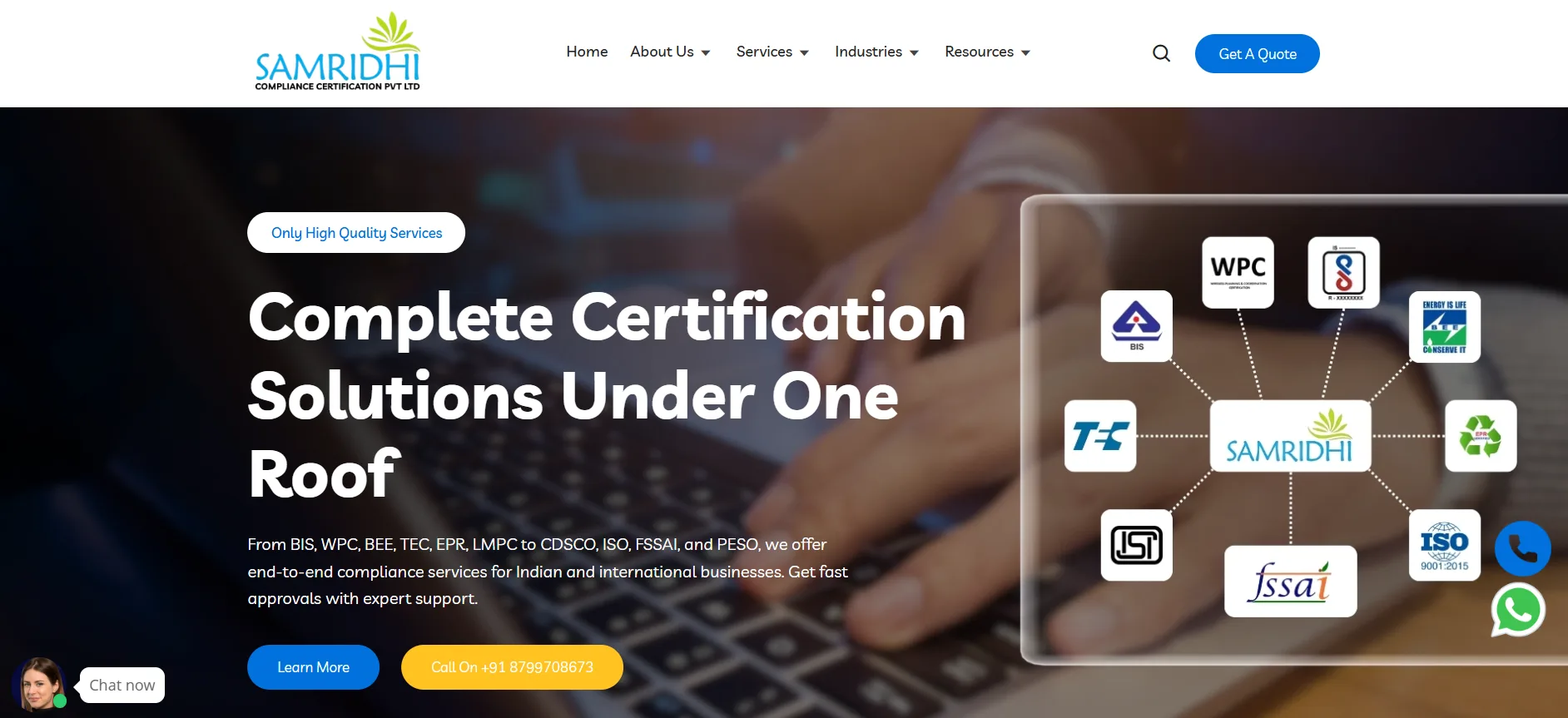
Client Overview
SAMCC (Samridhi Compliance Certification) operates in a highly specialized domain—helping businesses obtain certifications like:
- BIS (Bureau of Indian Standards)
- WPC ETA
- TEC / MTCTE
- Other regulatory approvals
Their audience is not general consumers. It includes:
- Manufacturers
- Importers
- Brand owners
- Compliance managers
The challenge here is different:
This is a low-search-volume but high-decision-intent industry.
The Real Business Problem This Service Solved
When we analyzed the website, the issue wasn’t visibility everywhere — it was missing visibility where it matters most.
Key problems:
-
Not ranking for critical queries like:
- BIS certification in India
- WPC ETA approval process
- MTCTE certification cost
- Content existed, but lacked depth and clarity
- Users visiting the site were often confused, not converted
This created a serious gap:
👉 Businesses searching for compliance solutions
👉 But not finding SAMCC as a trusted answer source
Why Businesses Struggle in Compliance SEO (Real Industry Insight)
Compliance SEO is not like normal service SEO.
Here’s what typically goes wrong:
- Content is too technical or too vague
- No clear explanation of process + requirements
- Lack of trust signals (very critical in compliance)
- No structured pages for specific certifications
Also, one important behavior:
Users searching compliance terms are usually:
👉 Already in the decision phase
👉 Looking for clarity, not marketing
If your content doesn’t simplify complexity —
you lose trust instantly.
Our Proven Process (Discovery → Strategy → Execution → Optimization → Reporting)
We followed the same structured process — but adapted for regulatory search behavior.
Discovery
- Identified high-intent compliance queries
- Studied how businesses search for certifications
- Analyzed competitors dominating regulatory keywords
Strategy
-
We shifted the approach from “service pages” to:
👉 knowledge + service hybrid pages -
Focus areas:
- Process clarity
- Cost understanding (indicative)
- Documentation explanation
Execution
-
Created detailed pages for:
- BIS certification
- WPC ETA
- TEC / MTCTE
-
Structured content into:
- process
- requirements
- timelines (indicative)
- Strengthened internal linking across certifications
Optimization
- Improved headings for clarity + search intent
- Optimized content for AI-driven search extraction
- Refined meta titles for better CTR
Reporting
-
Tracked:
- Keyword rankings
- Search impressions
- User engagement signals
SEO Execution Breakdown
What was actually implemented:
- ✔ Certification-specific landing pages
- ✔ Deep informational content (not surface-level)
- ✔ Structured explanation of compliance processes
- ✔ Internal linking between related certifications
- ✔ On-page SEO improvements
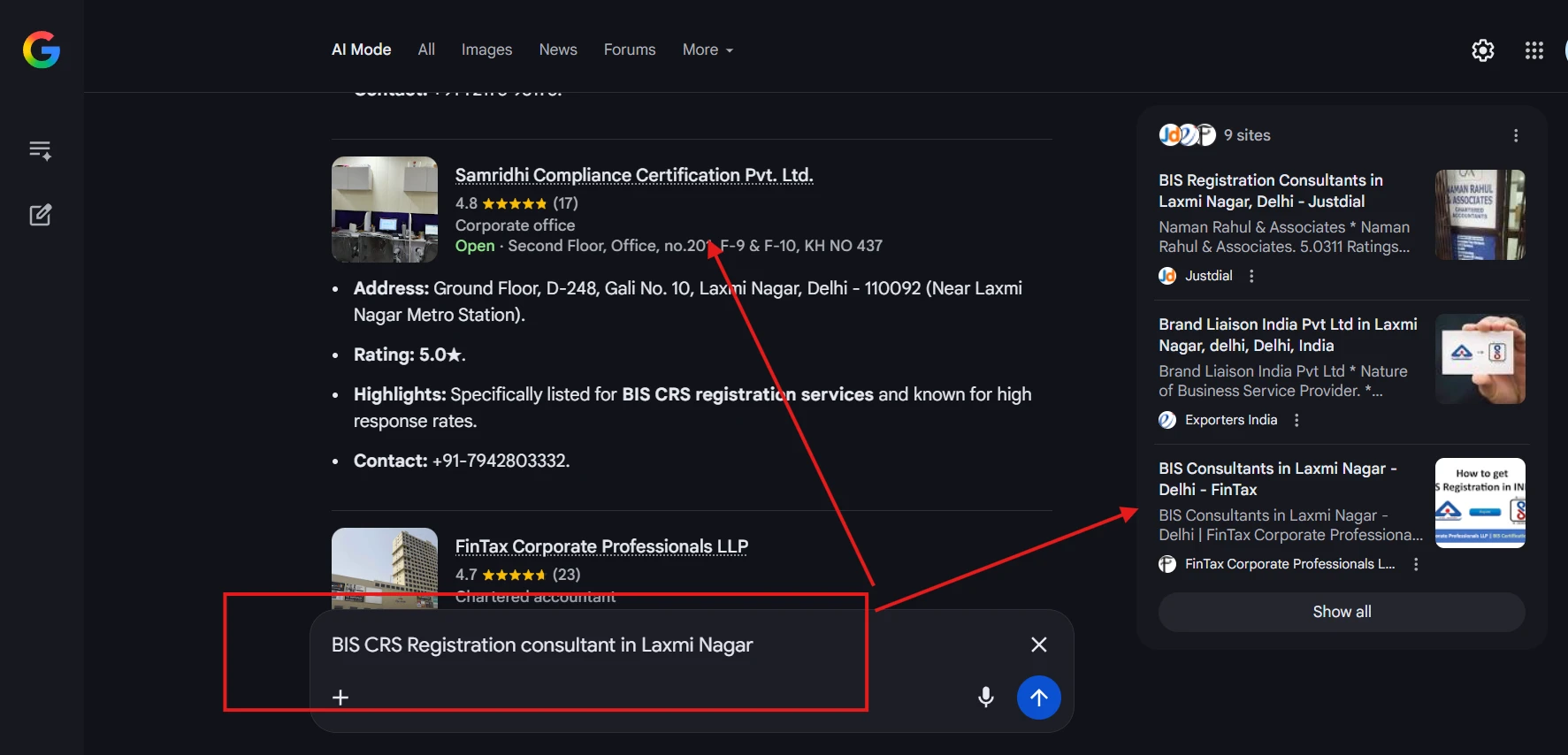
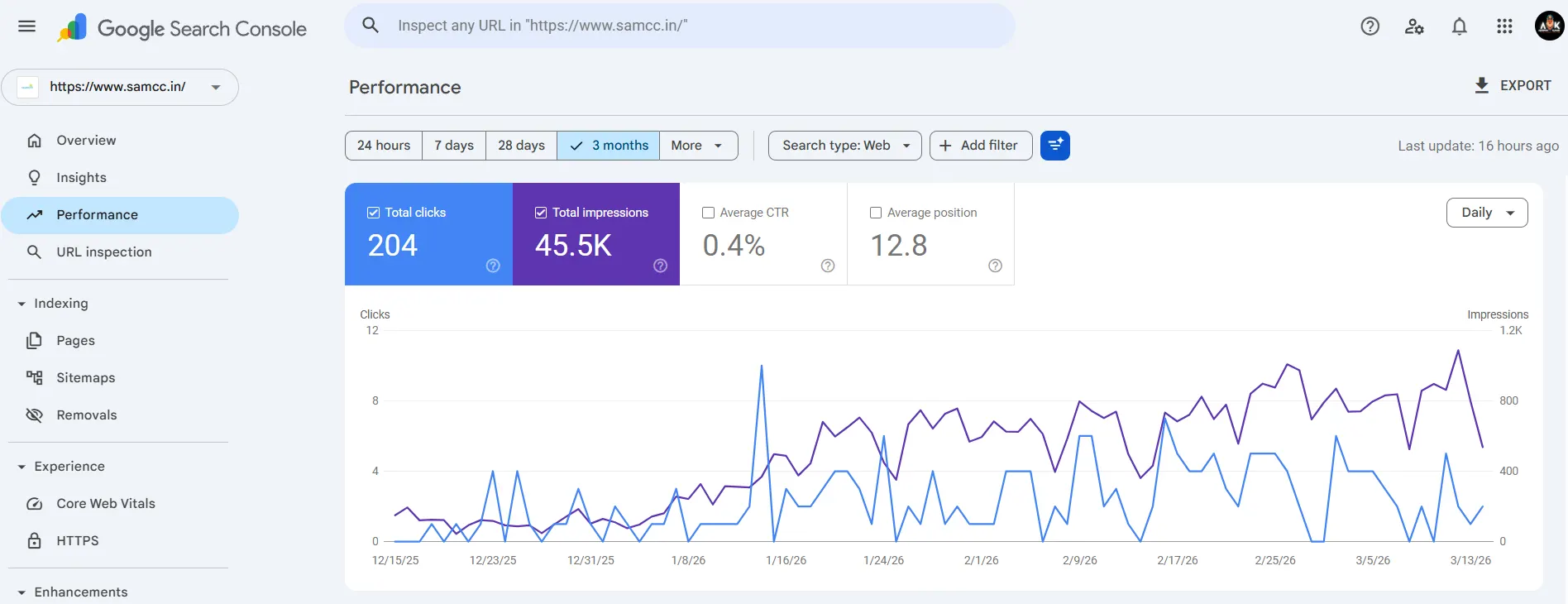
Results Achieved (Authority + First Page Visibility)
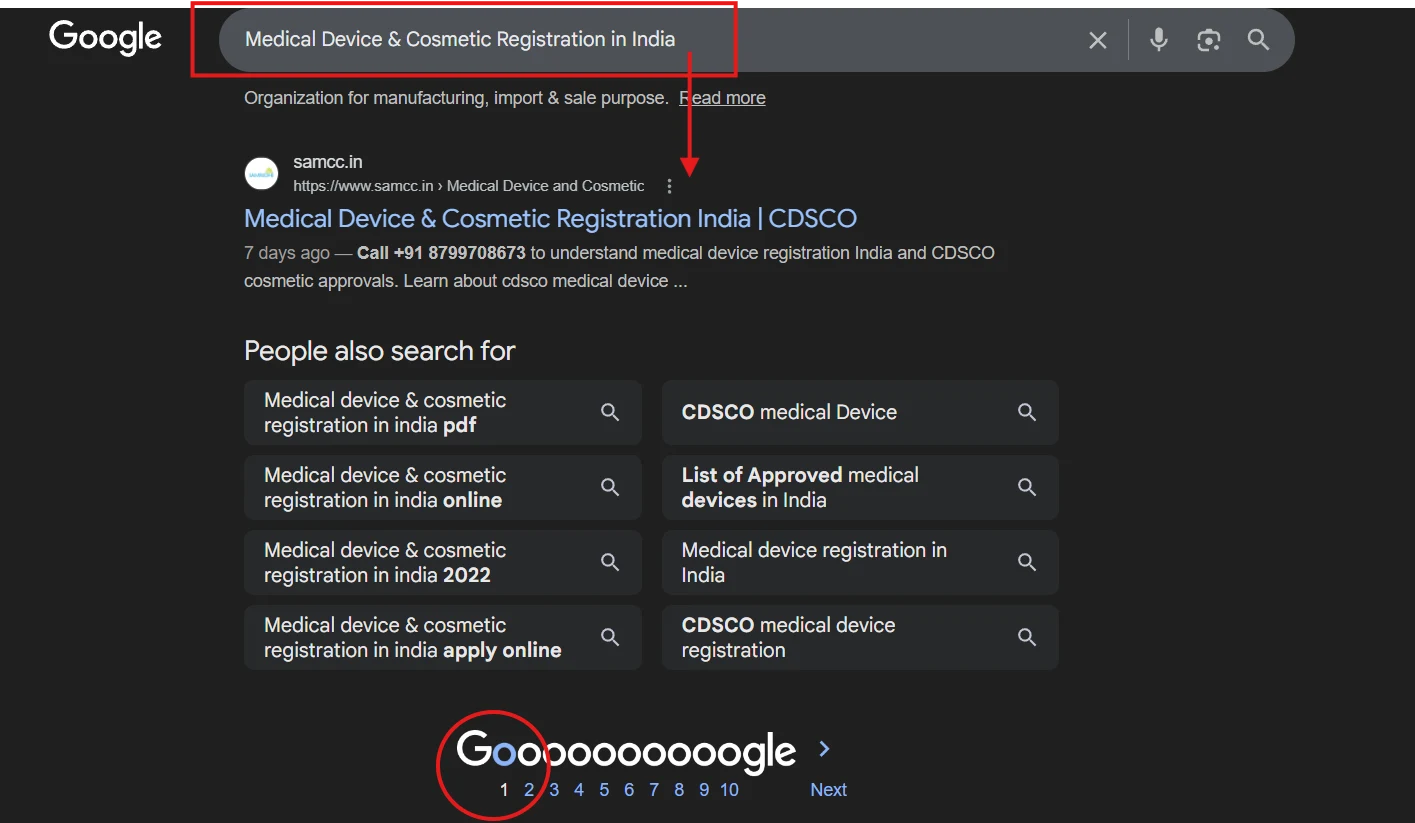
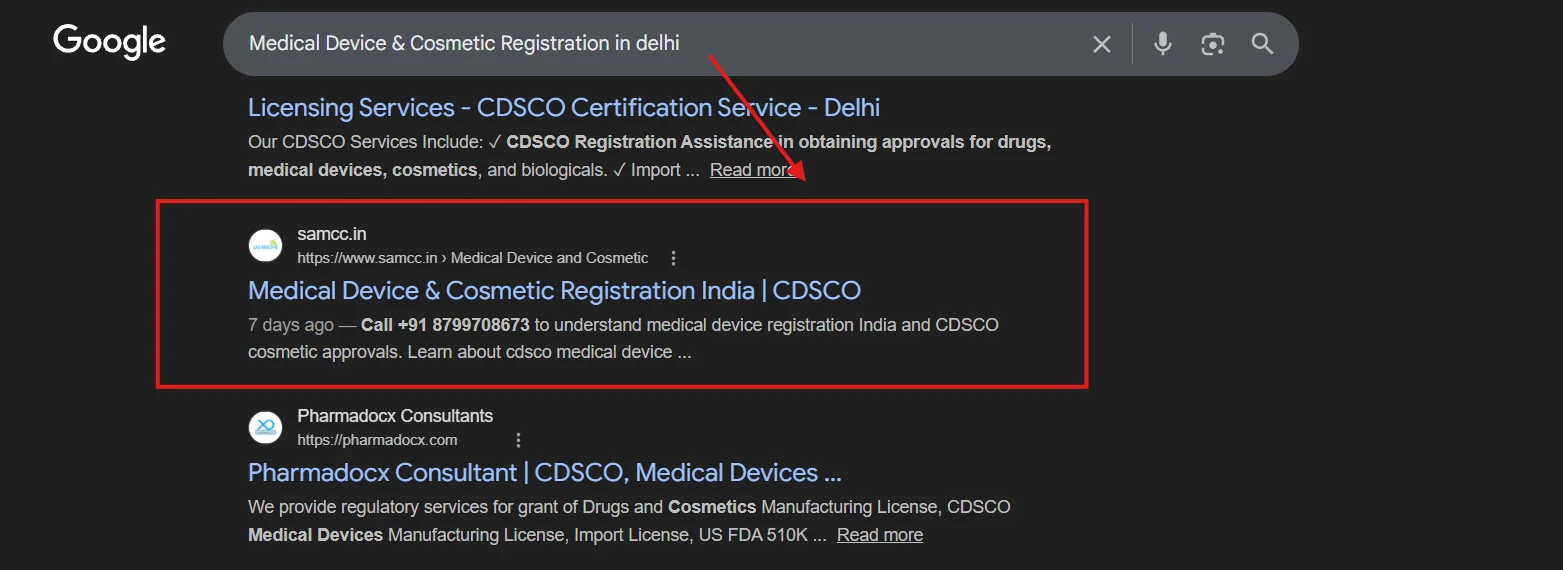
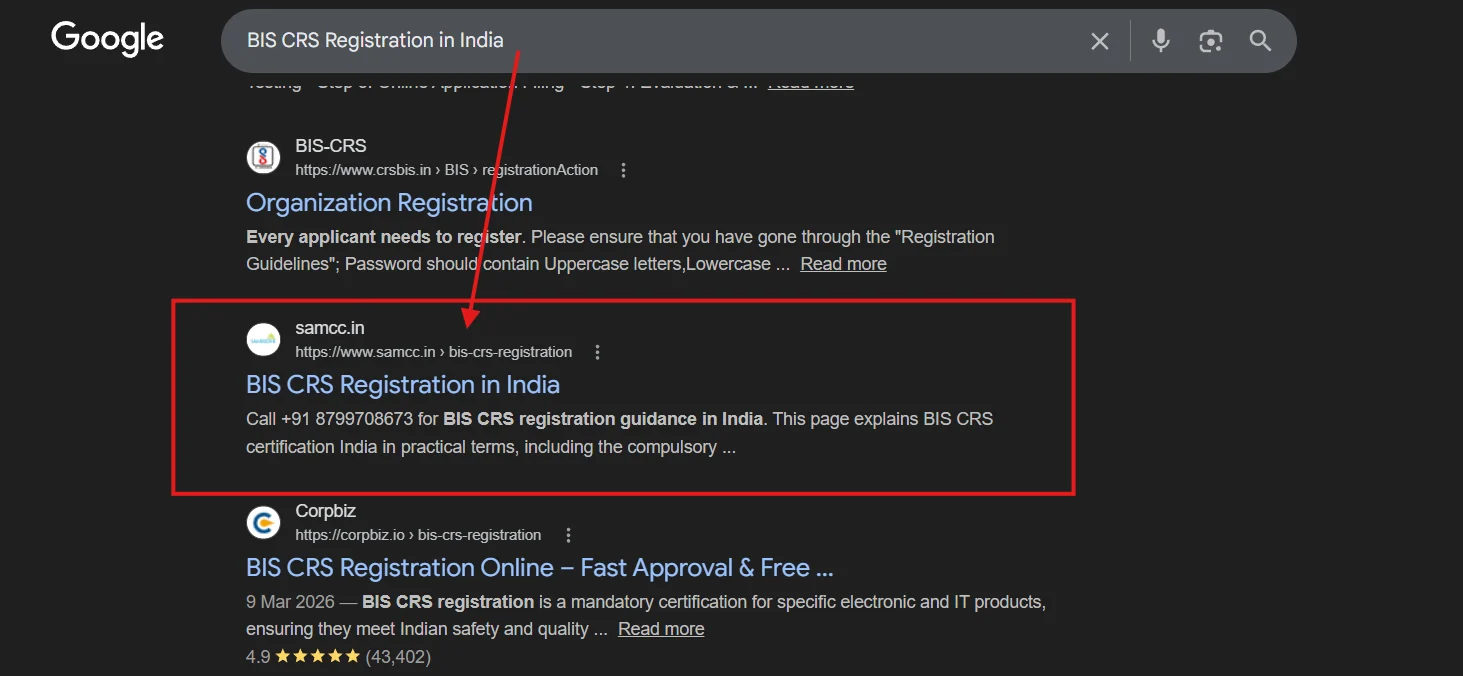
What Actually Improved
- Strong visibility for high-intent compliance queries
- Better positioning as a trusted knowledge source
- Increased chances of qualified business inquiries
- Entry into AI-based answer results for regulatory queries
Unlike other niches, success here was not about volume.
It was about:
👉 Being visible when a business is ready to act
Key Learnings From This Project
1. Compliance SEO is trust-driven, not traffic-driven
Users don’t browse — they evaluate.
If your content doesn’t feel reliable,
they won’t proceed.
2. Clarity beats complexity
Most competitors either:
- Over-complicate
- Or oversimplify
Winning strategy:
👉 Explain clearly without losing accuracy
3. Structured content wins in AI search
AI search engines prefer:
- Step-by-step explanations
- Clear headings
- Logical flow
This helped SAMCC appear in AI-generated results
Final Reflection
This project wasn’t about “ranking keywords.”
It was about positioning SAMCC as:
👉 A reliable compliance advisor, not just a service provider
Once that trust layer was built through content,
search visibility followed naturally.
SEO Case Study – Oxford Overseas: Driving High-Intent Traffic for IELTS & Study Abroad Queries
Client Overview
Oxford Overseas is a Delhi-based overseas education consultancy offering:
- IELTS coaching
- Study abroad counseling
- Student visa assistance
Unlike generic consultancies, their strength lies in structured IELTS preparation + guided admission support.
However, despite having strong services, their online visibility wasn’t fully aligned with student decision behavior.
The Real Business Problem This Service Solved
When we evaluated the website, the issue wasn’t absence — it was underperformance in high-conversion queries.
Key gaps:
-
Weak visibility for keywords like:
- ielts coaching in delhi
- study visa consultants
- IELTS band improvement queries
- Traffic existed, but lead conversion was inconsistent
- Pages were not structured for decision-stage users
This created a hidden problem:
👉 Students were searching with strong intent
👉 But the website wasn’t capturing them effectively
Why Businesses Struggle in This Segment (Real Insight)
This niche is extremely competitive — but not in the way most people think.
The real challenges:
- Overloaded content without clarity
- Same generic messaging across competitors
- No differentiation in IELTS + visa positioning
- Weak trust-building elements
Also, one key behavior:
Students don’t just search “IELTS coaching” —
they search things like:
- band improvement
- speaking practice
- visa success rates
If your content doesn’t address these micro-intents,
you lose conversions even if you rank.
Our Proven Process (Discovery → Strategy → Execution → Optimization → Reporting)
We followed the same structured framework — but focused heavily on conversion intent.
Discovery
- Identified high-intent IELTS + visa queries
- Analyzed top-ranking competitors in Delhi
- Mapped student journey from search → consultation
Strategy
-
We built a dual-layer SEO strategy:
- Ranking Layer
- IELTS coaching keywords
- study abroad queries
-
Conversion Layer:
- Trust-focused content
- problem-solving sections
- student-oriented explanations
Execution
-
Created optimized pages for:
- ielts coaching in delhi
- visa services
-
Improved content structure:
- clear process explanation
- FAQs based on real student concerns
- Strengthened internal linking across services
Optimization
- Improved CTR using better titles
- Refined headings for AI search extraction
- Updated content based on ranking movement
Reporting
-
Tracked:
- Keyword rankings
- Click-through rates
- Inquiry trends
SEO Execution Breakdown
What was actually implemented:
- ✔ High-intent keyword targeting (IELTS + visa)
- ✔ Conversion-focused page structure
- ✔ Content aligned with student doubts
- ✔ Internal linking funnel (IELTS → Visa → Admission)
- ✔ On-page SEO improvements
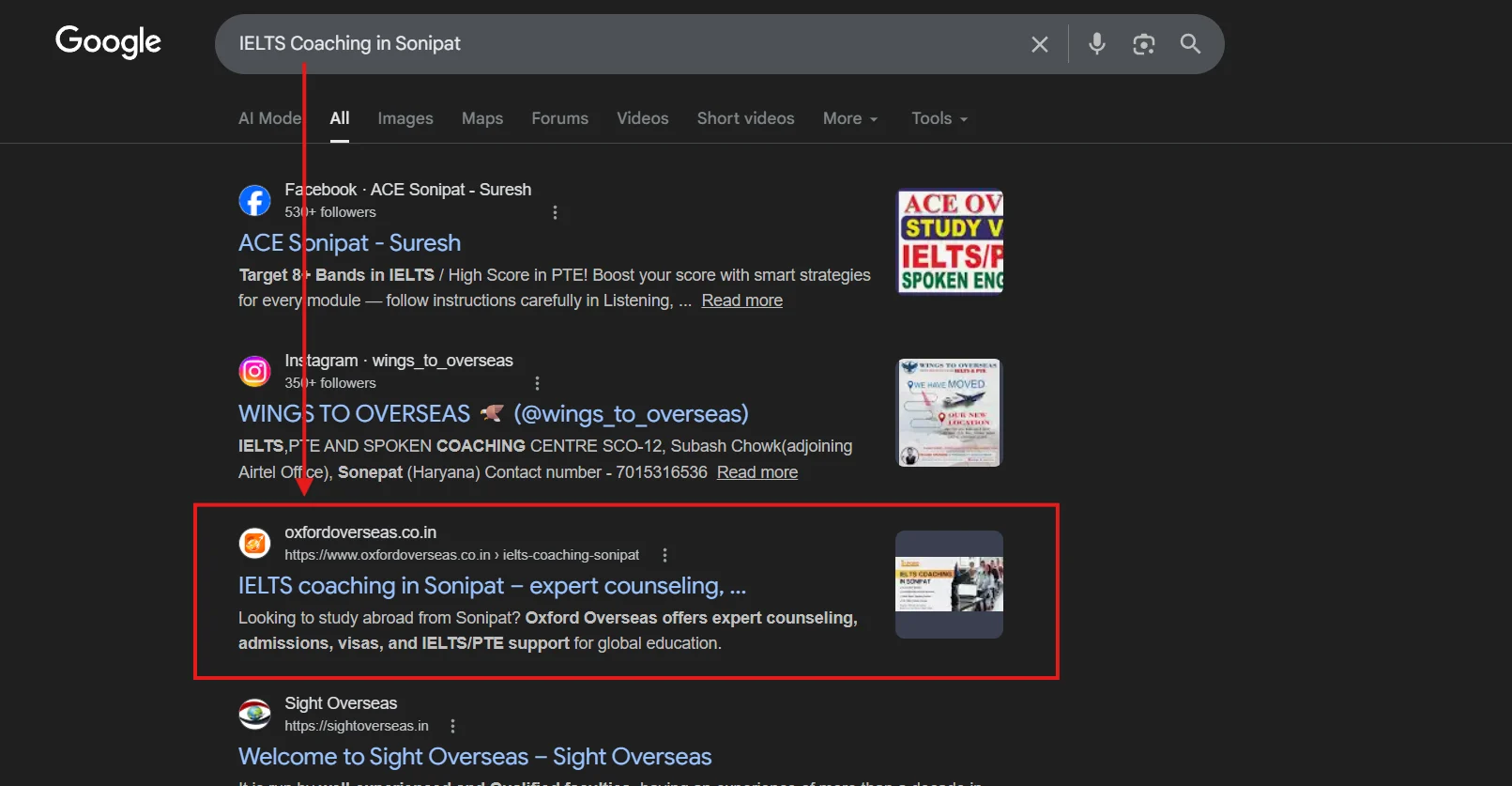
Results Achieved (Visibility + Conversion Alignment)
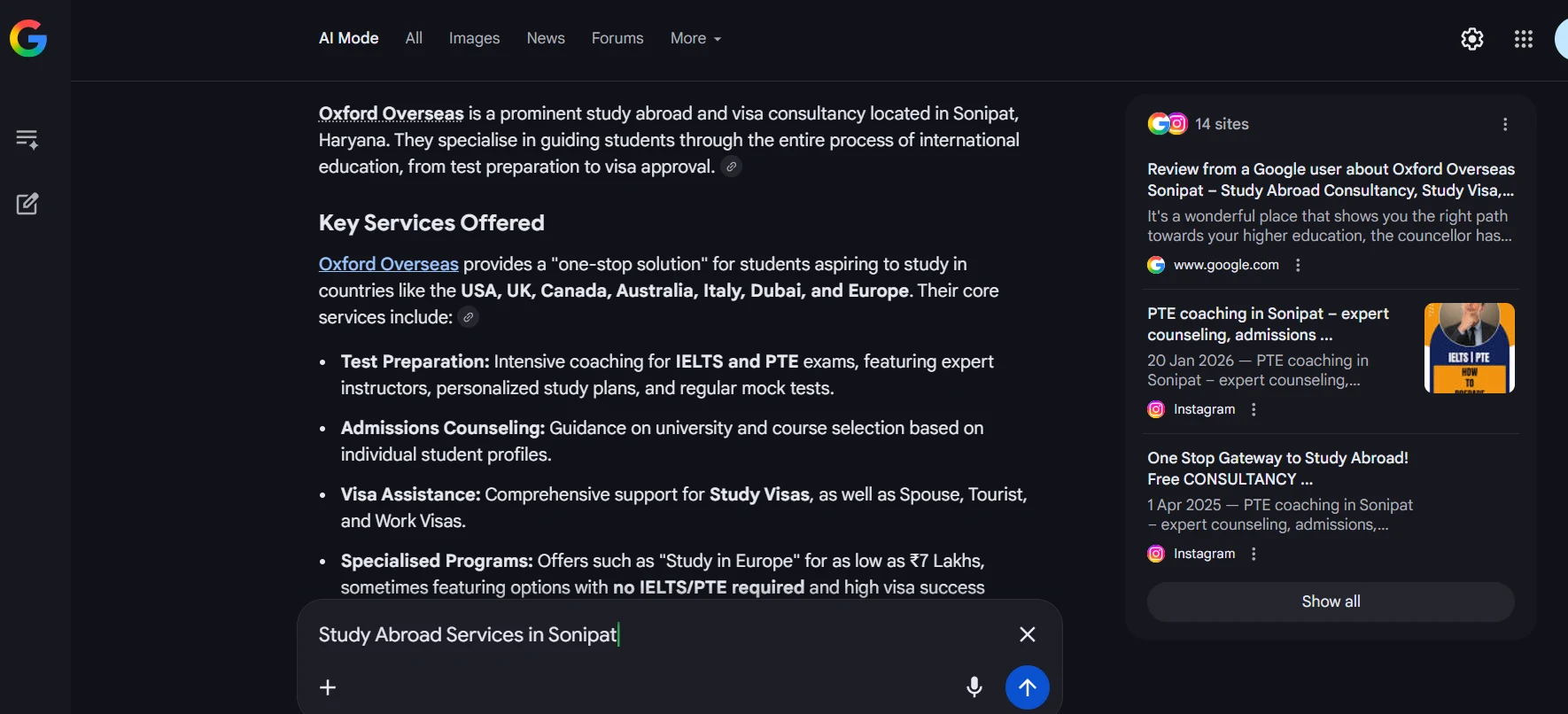
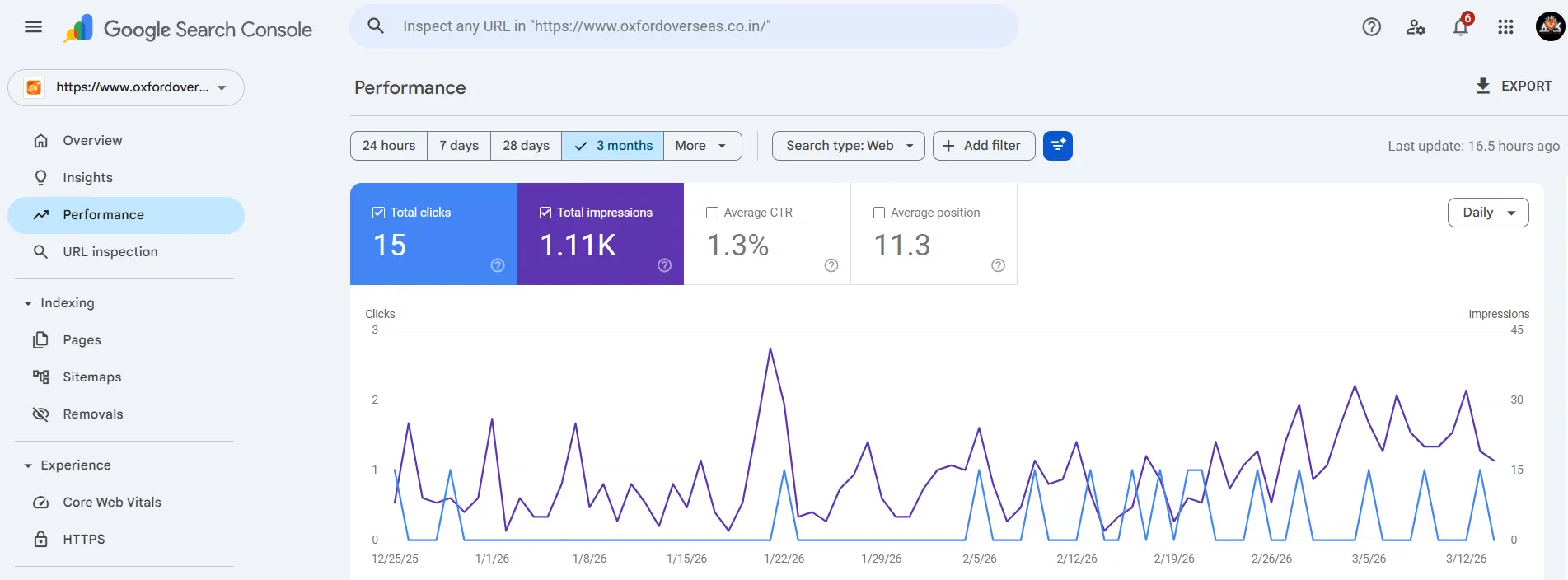
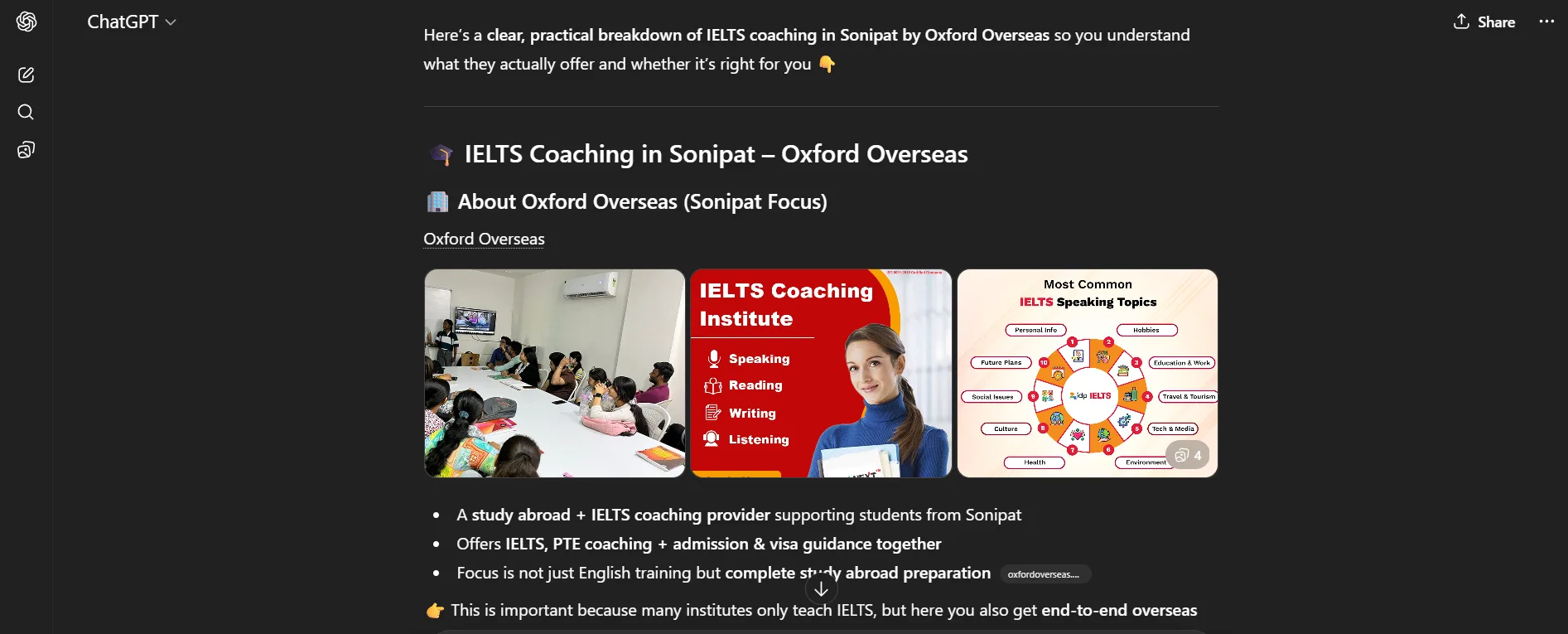
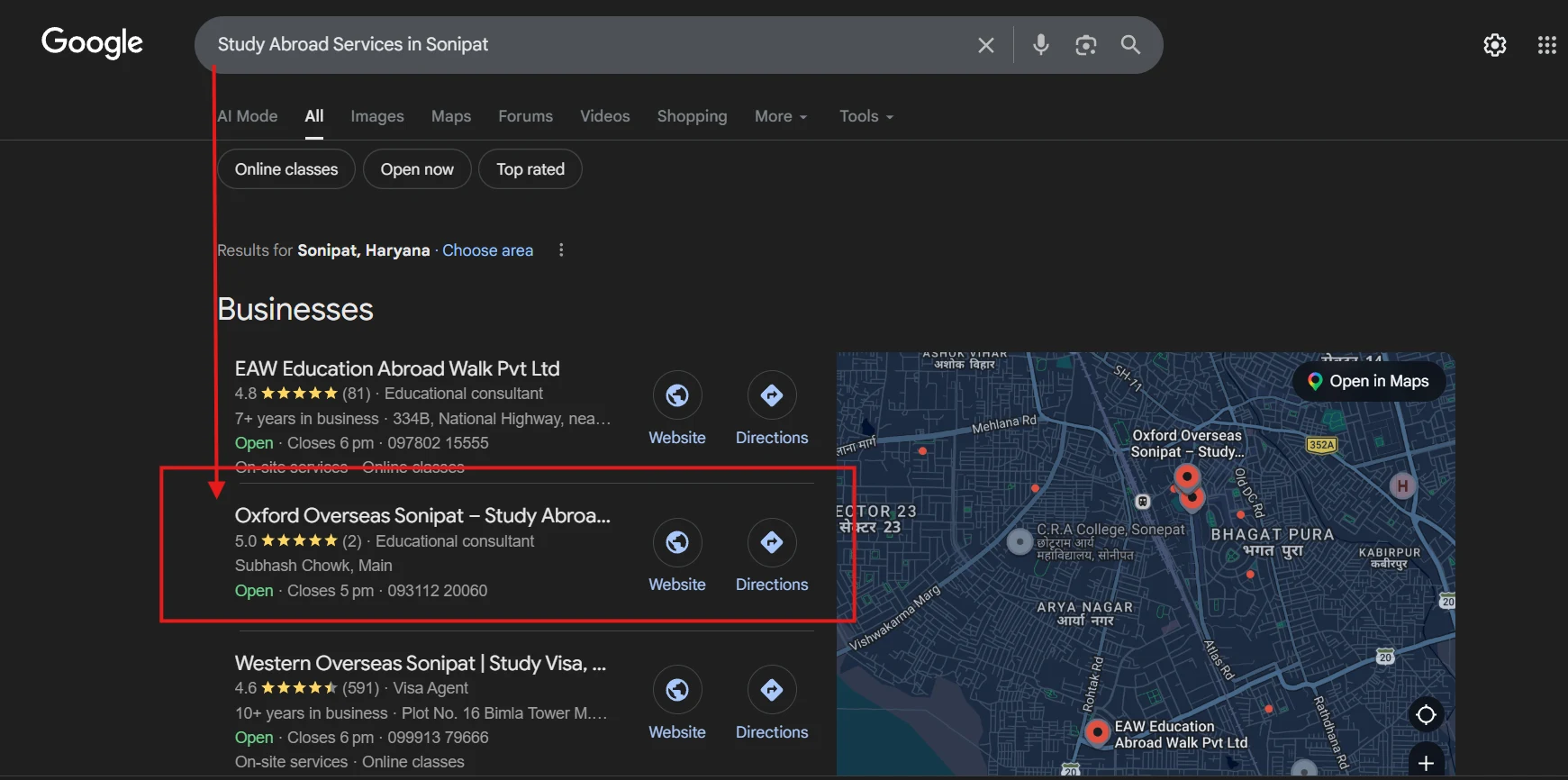
What Actually Improved
- Better visibility for ielts coaching in delhi and related queries
- More alignment between search intent and landing pages
- Increased chances of student inquiries from organic search
- Stronger presence in AI-driven search summaries
The key shift wasn’t just ranking —
it was attracting users who were ready to take action.
Key Learnings From This Project
1. Ranking doesn’t guarantee conversions
Many sites rank — but fail to convert because they don’t address real student concerns.
2. IELTS SEO is intent-fragmented
Users search:
- preparation
- band improvement
- speaking practice
- coaching
Winning strategy:
👉 Cover all micro-intents, not just main keyword
3. Trust is the real conversion factor
Students evaluate:
- clarity
- structure
- confidence
Not just rankings.
Final Reflection
This project wasn’t about increasing traffic volume.
It was about improving:
👉 who visits the website and why
Once content aligned with real student intent,
both visibility and conversions improved together — naturally.

 Pallavi Singh
 Ashwani Kumar