industries

Digital Marketing for Real Estate That Helps Builders, Developers & Property Businesses Achieve Sustainable Growth

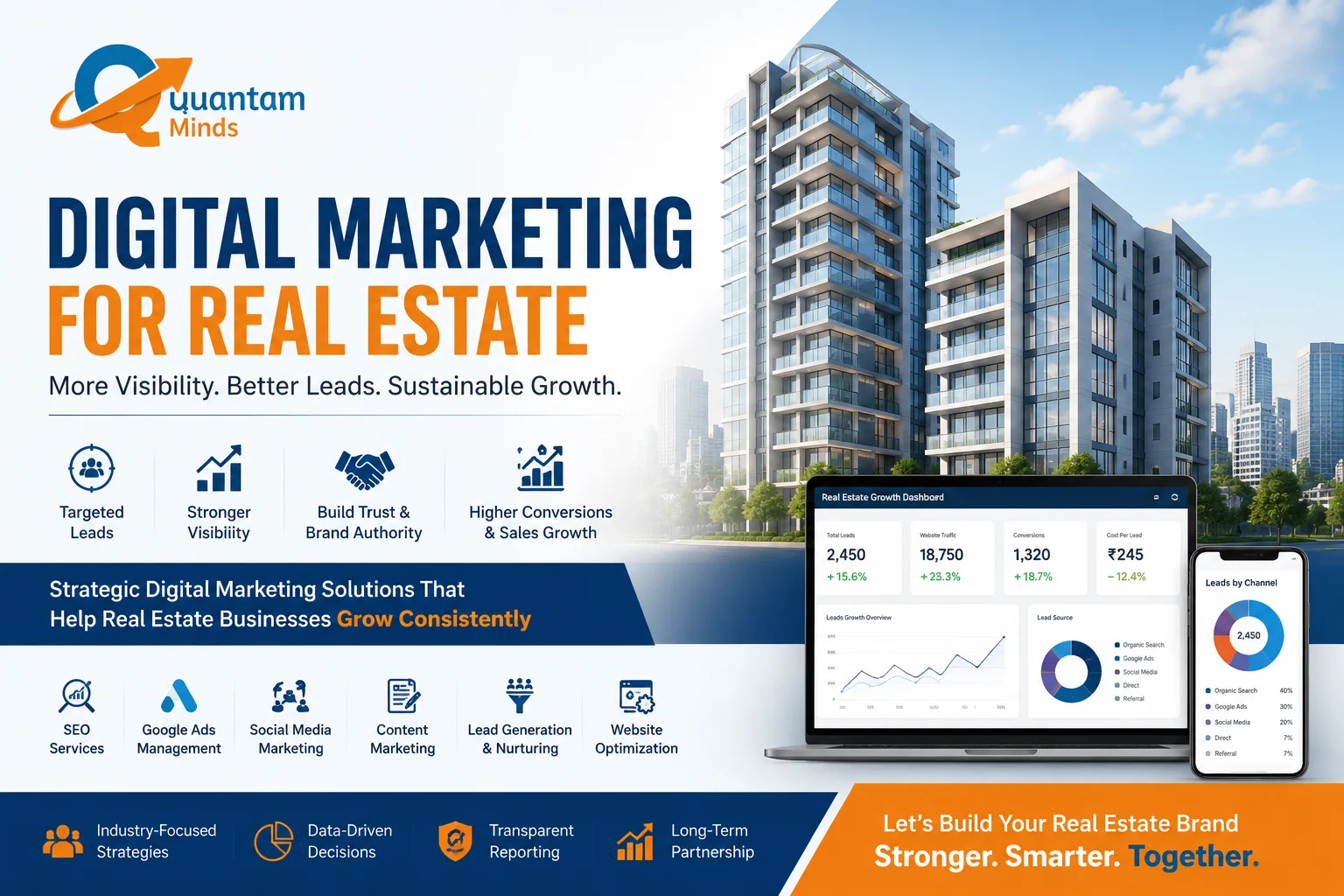
Digital marketing for real estate is a strategic approach that helps builders, developers, property consultants, real estate agencies, and PropTech businesses attract qualified buyers, strengthen brand visibility, and generate sustainable business growth across digital channels. By combining SEO for real estate, real estate Google Ads, content marketing, social media, website optimization, lead generation, and conversion-focused strategies, businesses can reach potential customers at every stage of the property buying journey. In today's competitive market, where buyers research extensively before making enquiries, a well-planned real estate digital marketing strategy improves online discoverability, builds trust, enhances customer engagement, supports higher-quality leads, and creates long-term opportunities for growth through data-informed and continuously optimized marketing efforts.

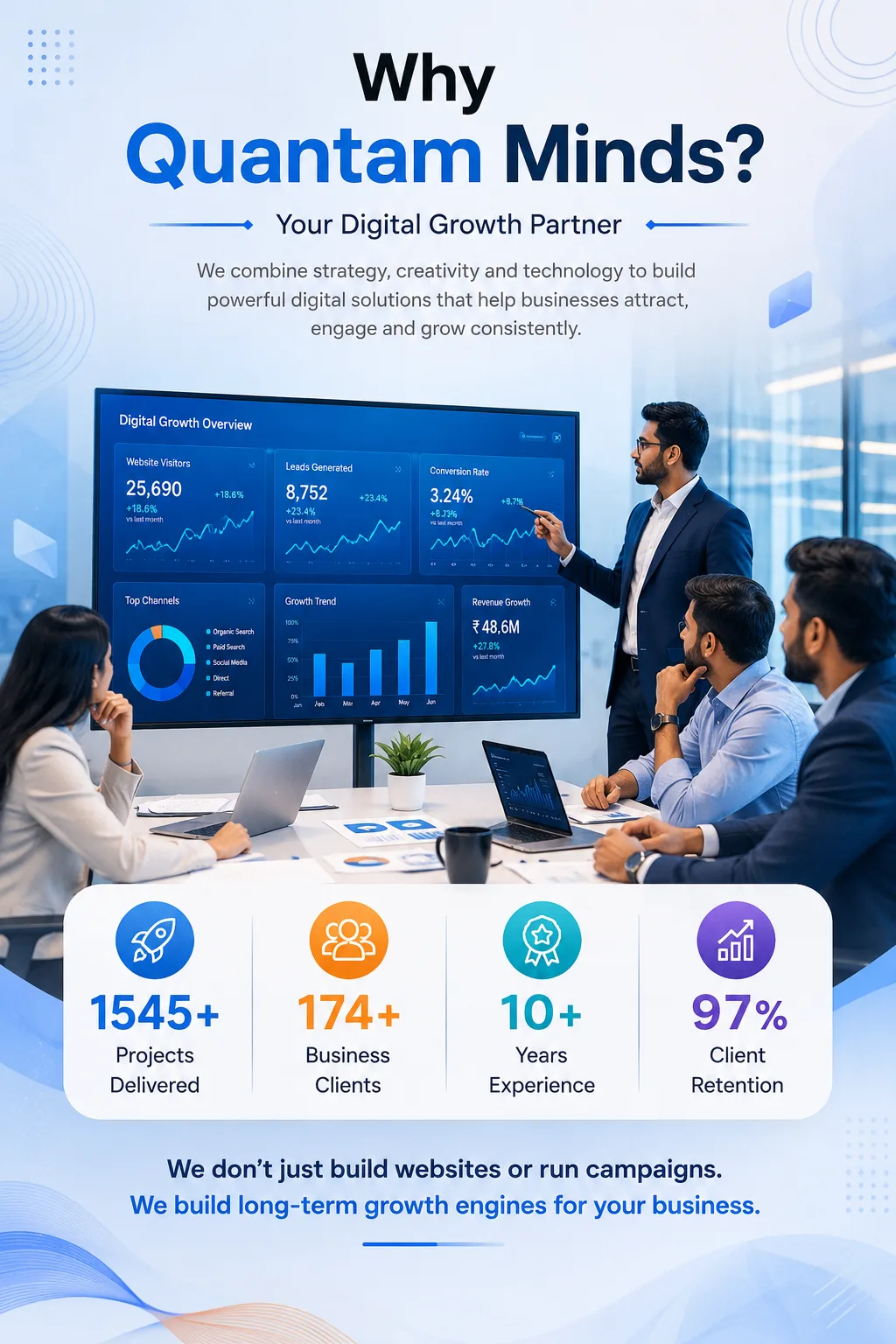
1545+

Projects Delivered

174+

Business Clients

10+

Years Experience
  • Industry-focused real estate marketing strategies
  • SEO, Google Ads & social media expertise
  • Data-driven lead generation approach
  • Transparent reporting & performance tracking
  • Customized strategies for your business
  • Sustainable long-term digital growth
0

Digital Marketing for Real Estate

Get expert guidance for your business.

TRUSTED DIGITAL GROWTH PARTNER

Trusted By 100+ Businesses Across Multiple Industries

From ambitious startups to established enterprises, Quantam Minds helps businesses generate qualified leads, improve online visibility, automate operations, and accelerate growth through strategic digital marketing, custom web development, AI-powered automation, and business software solutions.

Healthcare Real Estate Education Manufacturing Fitness Hospitality Ecommerce Retail Travel Professional Services Startups Corporate

Why Is Digital Marketing for Real Estate Essential for Builders, Developers, and Property Businesses Today?

A few years ago, a prominent roadside location, newspaper advertisements, and a network of brokers were often enough to generate a steady flow of property enquiries. That approach hasn't disappeared, but it no longer reflects how most buyers begin their property search.

Today's customer behaves differently.

Whether someone is looking for their first apartment, a commercial office, a luxury villa, or an investment plot, the buying journey almost always starts online. They compare projects, read reviews, explore Google Maps, watch property videos, check social media updates, visit multiple websites, and often return several times before submitting an enquiry.

For real estate businesses, this shift has changed more than marketing channels. It has changed how trust is built.

A project with excellent construction quality can still struggle to generate enquiries if its online presence creates uncertainty. On the other hand, a developer with consistent digital visibility, useful content, and a smooth enquiry experience often earns buyer confidence before the first site visit even happens.

This is exactly why digital marketing for real estate has become a strategic business investment rather than simply another advertising expense.

Instead of relying on a single source of enquiries, businesses can build a diversified digital ecosystem where SEO, Google Ads, content, social media, and lead nurturing work together to support long-term growth.


The Real Estate Market Has Become More Competitive Than Ever

Launching a new residential or commercial project is no longer enough to attract immediate attention.

In most cities, buyers have dozens of comparable options available within the same budget.

When two projects offer similar pricing, location, and amenities, buyers begin evaluating factors that traditional advertising rarely communicates:

  • Does the builder have a trustworthy online presence?
  • Are previous buyers sharing positive experiences?
  • Is the project easy to research online?
  • Are floor plans, pricing information, and project details readily available?
  • Does the company appear active and transparent across digital platforms?

These questions influence buying decisions long before a sales executive receives a phone call.

For developers, brokers, and property consultants, visibility alone is no longer the goal.

Credibility has become equally important.


Modern Property Buyers Spend More Time Researching Than Visiting Sites

Buying real estate is a high-value decision.

People rarely enquire after seeing a single advertisement.

Instead, they compare multiple developers, explore neighbourhoods, evaluate financing options, calculate long-term value, and seek reassurance before scheduling a visit.

A typical buyer journey often looks like this:

  1. Search on Google for projects or builders.
  2. Visit multiple property websites.
  3. Compare amenities and pricing.
  4. Read Google reviews.
  5. Watch project walkthrough videos.
  6. Follow social media pages.
  7. Speak with family or advisors.
  8. Submit an enquiry only after building confidence.

This behaviour means businesses that appear consistently throughout the research journey have a significant advantage over those relying on one-time promotional campaigns.


Why Traditional Property Marketing Alone Is No Longer Enough

Billboards still create awareness.

Property expos still generate conversations.

Newspaper advertisements continue to serve specific audiences.

These channels remain valuable—but they are no longer sufficient on their own.

The challenge is simple.

Traditional marketing creates visibility for a limited period.

Digital marketing continues working long after the initial campaign ends.

A well-optimized website can attract qualified visitors every day.

A strong SEO strategy can generate enquiries from people actively searching for properties.

Thoughtful content can answer buyer questions before the sales team gets involved.

Well-managed real estate Google Ads campaigns can place projects in front of high-intent buyers at the exact moment they are searching.

Rather than replacing traditional marketing, digital channels extend its impact and create multiple opportunities for customer engagement.


The Cost of Ignoring Digital Marketing Is Often Higher Than the Cost of Investing in It

Many real estate businesses delay digital transformation because existing enquiry sources still generate occasional business.

The problem usually appears gradually.

Website traffic declines.

Competitors dominate search results.

Advertising costs increase.

Property portal dependency grows.

Lead quality becomes inconsistent.

Sales teams spend more time filtering unqualified enquiries than speaking with serious buyers.

These challenges rarely happen overnight.

They accumulate over time.

Businesses that invest early in real estate digital marketing often build stronger online authority, reduce dependence on third-party platforms, and create more predictable lead generation systems.


A Practical Business Example

Consider two developers launching similar residential projects in the same city.

Both projects offer comparable pricing, amenities, and construction quality.

The first developer relies mainly on newspaper advertisements and outdoor hoardings.

The second combines those efforts with real estate SEO services, Google Ads, project videos, educational content, local search optimization, and structured follow-up campaigns.

Six months later, both companies have generated enquiries.

The difference lies in the source and sustainability.

The second developer continues attracting organic website visitors, appears in local property searches, receives repeat traffic from interested buyers, and builds brand familiarity long after the initial advertising campaign has ended.

The digital strategy did not replace traditional marketing.

It strengthened every stage of the buyer journey.


Digital Marketing Creates Long-Term Business Assets

One overlooked advantage of digital marketing is that many of its outcomes continue delivering value over time.

Unlike a newspaper advertisement that disappears the next day, digital assets keep working:

  • An optimized website attracts qualified visitors around the clock.
  • Helpful property content answers buyer questions and builds trust.
  • Strong SEO for real estate improves long-term search visibility.
  • Customer reviews strengthen credibility.
  • High-quality videos remain discoverable across search and social platforms.
  • Email and WhatsApp campaigns help nurture prospects who are not yet ready to buy.

Each activity contributes to a sustainable marketing system rather than a short-lived promotional campaign.

Why Digital Marketing Matters for Real Estate

Business Challenge How Digital Marketing Helps
Increasing competition Improves online visibility and brand differentiation
Longer buyer decision cycles Builds trust through consistent digital engagement
Rising advertising costs Creates a balance between paid campaigns and organic growth
Dependence on property portals Diversifies enquiry sources through SEO, content, and owned digital channels
Low-quality enquiries Supports better audience targeting and lead qualification
Brand awareness limitations Strengthens credibility across search engines, social media, and local platforms

Digital marketing for real estate has become essential because property buyers now research extensively online before making contact. A strategic combination of SEO, Google Ads, content marketing, social media, local search optimization, and lead nurturing helps developers, builders, and property businesses increase visibility, build trust, attract more qualified enquiries, and create a sustainable customer acquisition system that supports long-term business growth.


What Decision-Makers Should Consider Before Investing

Before increasing advertising budgets or launching another campaign, business owners should ask a different set of questions.

  • Can potential buyers easily find our projects on Google?
  • Does our online presence inspire confidence before the first conversation?
  • Are we generating enquiries from channels we actually control?
  • Is our marketing strategy supporting long-term brand growth rather than only short-term campaigns?
  • Are we attracting qualified buyers or simply increasing enquiry numbers?

The businesses achieving steady growth today are rarely those spending the most.

More often, they are the ones building an integrated digital strategy where real estate lead generation, SEO, paid advertising, content, branding, and customer engagement work together toward measurable, sustainable business outcomes.

Free Business Consultation

Need Help Choosing the Right Digital Marketing for Real Estate?

Our specialists will help you understand the complete process, documentation requirements, estimated timelines and the best approach for your Digital Marketing for Real Estate project.

Free Expert Consultation
Transparent Process
Dedicated Project Manager
Personalized Business Solutions

Everything Your Business Needs To Grow Online

We combine digital marketing, creative branding, web development, automation, and business software into one complete growth ecosystem.

SEO for Educational Institutes

SEO for Educational Institutes

Students and parents begin researching coaching institutes long before they make an admiss...

Check SEO for Educational Institutes
Digital Marketing Company in Delhi

Digital Marketing Company in Delhi

Choosing the right Digital Marketing Company in Delhi is about building a strategy that su...

Check Digital Marketing Company in Delhi
Digital Marketing Company in Noida

Digital Marketing Company in Noida

Every business reaches a point where referrals and traditional marketing alone are no long...

Check Digital Marketing Company in Noida
Technical SEO Services

Technical SEO Services

A website may have valuable content and a strong brand, but technical issues can still lim...

Check Technical SEO Services
Local SEO Services

Local SEO Services

Customers increasingly rely on Google Search and Google Maps to find businesses in their a...

Check Local SEO Services
Digital Marketing Agency in Gurgaon

Digital Marketing Agency in Gurgaon

Every business has different growth goals, but attracting the right customers consistently...

Check Digital Marketing Agency in Gurgaon
SEO for Clinics

SEO for Clinics

Modern patients often choose a healthcare provider after researching online, comparing cli...

Check SEO for Clinics
Landing Page Design

Landing Page Design

A professionally planned Landing Page Design helps businesses convert advertising clicks i...

Check Landing Page Design
READY TO GROW?

Let's Build A Digital Growth Strategy That Actually Delivers Results

Whether you need SEO, Google Ads, Website Development, CRM Software, AI Automation, or a complete digital transformation strategy, our experts are ready to help you grow faster.

Understanding Today's Real Estate Buyer Journey: How Modern Property Buyers Research, Compare, and Choose Before Making an Enquiry

Not long ago, a buyer's property journey often began with a newspaper advertisement, a broker's recommendation, or a drive through a preferred locality.

Today, the journey usually starts with a search bar.

Before speaking to a sales executive, most buyers have already compared multiple projects, explored neighbourhoods on Google Maps, watched property walkthroughs on YouTube, read online reviews, and visited several developer websites. By the time they make an enquiry, they often know far more about the market than businesses expect.

This shift has fundamentally changed how digital marketing for real estate works.

Marketing is no longer just about generating visibility. It influences almost every decision a buyer makes—from the first online search to the final booking.

Businesses that understand this journey are better positioned to deliver the right information at the right time instead of trying to persuade buyers only at the final stage.


The Modern Property Buying Journey Is No Longer Linear

Buying a property is rarely an impulsive decision.

Unlike purchasing everyday products, buyers invest weeks—or sometimes months—researching before they are comfortable scheduling a site visit.

A typical decision-making process now looks like this.

Buying Stage What Buyers Typically Do Digital Marketing Opportunity
Search Search Google for projects, builders, or locations SEO, Google Ads, Google Business Profile
Compare Visit multiple websites and compare amenities, pricing, and locations Website experience, content marketing, landing pages
Trust Read reviews, watch videos, check social media, verify builder credibility Online reputation, social media, testimonials, branding
Visit Schedule site visits after shortlisting projects Lead nurturing, WhatsApp follow-ups, appointment campaigns
Purchase Final negotiations and booking CRM support, email communication, remarketing campaigns

Every stage presents an opportunity to build confidence.

Or lose it.


Search Is the New Project Launch Event

The first interaction many buyers have with a project isn't a site visit.

It's a Google search.

Searches such as:

  • apartments near me
  • 3 BHK flats in Gurgaon
  • luxury villas in Goa
  • commercial office space in Noida
  • trusted builders in Pune

reflect genuine buying intent.

Businesses that invest in real estate SEO services and well-managed real estate Google Ads campaigns increase the likelihood of appearing when potential buyers are actively looking for solutions rather than being interrupted by advertisements.

That difference matters.

People searching for properties are already in discovery mode.

Marketing becomes more relevant because it responds to existing demand instead of trying to create it.


Comparison Happens Faster Than Ever

Once buyers discover a project, they rarely stop researching.

Instead, they begin comparing.

They compare:

  • Builder reputation
  • Project location
  • Floor plans
  • Amenities
  • Pricing
  • Possession timelines
  • Financing options
  • Customer reviews
  • Website experience

Sometimes several projects are evaluated within a single evening.

If one website loads slowly, provides limited information, or appears outdated, buyers often move on without making an enquiry.

The project itself may be excellent.

The digital experience simply created uncertainty.

This is where real estate digital marketing extends beyond advertising.

It helps businesses present information clearly enough that buyers feel confident taking the next step.


Trust Is Built Long Before the First Phone Call

One of the biggest changes in property marketing is that trust now develops digitally.

Years ago, trust was established primarily during face-to-face meetings.

Today, buyers begin evaluating credibility online.

Questions they often ask include:

  • Does this builder have positive Google reviews?
  • Is the company active on social media?
  • Are project updates shared regularly?
  • Is pricing transparent?
  • Are customer testimonials available?
  • Does the website answer common questions?

Each interaction adds another layer of confidence.

Or another reason to keep searching.

Strong real estate branding helps businesses remain memorable throughout this research process, particularly when buyers compare several developers offering similar projects.


Site Visits Are No Longer the Beginning of the Sales Process

Traditionally, sales teams viewed site visits as the first meaningful interaction.

Today, site visits usually happen much later.

By the time buyers arrive, they often already know:

  • Project specifications
  • Unit layouts
  • Nearby infrastructure
  • Pricing range
  • Financing options
  • Builder background

The conversation becomes less about introducing the project and more about validating the buyer's existing research.

Businesses that educate buyers online often find site visits becoming more productive because visitors arrive better informed.


Local Buyers and Luxury Buyers Follow Different Digital Paths

Not every buyer researches properties in the same way.

Understanding these differences helps businesses allocate marketing budgets more effectively.

Local Homebuyers

Local buyers often prioritize:

  • Budget
  • Daily commuting distance
  • Schools and hospitals
  • Loan eligibility
  • Immediate possession
  • Local builder reputation

Their searches tend to include specific locations and practical requirements.

Examples include:

  • flats in Sonipat
  • apartments near metro
  • affordable housing projects

For this audience, local SEO, Google Business Profile optimization, and neighbourhood-focused content can significantly improve visibility.


Luxury Property Buyers

Luxury buyers typically spend more time researching before contacting a developer.

Their focus often extends beyond price.

They evaluate:

  • Architectural quality
  • Lifestyle
  • Privacy
  • Developer credibility
  • Exclusive amenities
  • Investment potential

They also consume more visual content.

Project videos, virtual tours, high-quality photography, and detailed storytelling often influence their perception before direct communication begins.

Digital marketing for premium developments therefore requires a stronger emphasis on brand positioning and content quality rather than volume alone.


Builders and Brokers Need Different Marketing Strategies

Although both operate within the real estate industry, builders and brokers rarely share identical marketing goals.

Builders & Developers Brokers & Property Consultants
Promote owned projects Promote multiple properties
Focus on long-term brand building Focus on continuous lead flow
Require project-specific campaigns Require locality-based marketing
Invest heavily in branding Invest more in local visibility
Content highlights project value Content highlights property options

Because their objectives differ, the same marketing strategy rarely delivers equal results for both.

A builder may benefit more from long-term SEO for real estate, project branding, and content marketing.

A broker may prioritize local search visibility, real estate lead generation, and faster-response paid advertising campaigns.


A Small Story That Reflects Today's Buyer Behaviour

A family begins searching for a new home after deciding to move closer to their children's school.

Their first step isn't contacting an agent.

They search Google.

Over the next three weeks they:

  • Visit nearly twenty project websites.
  • Compare prices across different developers.
  • Watch several project walkthrough videos.
  • Read Google reviews.
  • Save shortlisted properties.
  • Follow two builders on Instagram.
  • Download a project brochure.
  • Return to the same website four different times.

Eventually they book a site visit.

From the developer's perspective, it appears the enquiry arrived today.

In reality, the buying journey started weeks earlier.

Every digital interaction influenced that decision.


The Real Decision Timeline Often Extends Beyond Marketing Campaigns

One challenge many businesses underestimate is the length of the property buying cycle.

Unlike retail purchases, buyers rarely convert after a single interaction.

A simplified timeline often looks like this.

Timeline Typical Buyer Activity
Week 1 Initial online searches and market research
Week 2–3 Compare projects and evaluate developers
Week 4 Read reviews, watch videos, discuss with family
Week 5–6 Schedule site visits and shortlist options
Following Weeks Financial planning, negotiations, booking decision

This longer decision cycle explains why consistent digital visibility matters.

A buyer may ignore today's advertisement but remember the brand after encountering helpful content, local search results, social media updates, and positive reviews over several weeks.

That repeated exposure builds familiarity.

Familiarity often becomes trust.


Buyer Journey Snapshot

Modern property buyers rarely make decisions after a single advertisement. They search online, compare multiple projects, evaluate builder credibility, read reviews, watch videos, consult family members, and revisit websites several times before making contact. Effective digital marketing for real estate supports every stage of this journey through SEO, Google Ads, content marketing, branding, social media, local search optimization, and structured lead nurturing, helping businesses influence decisions long before the first enquiry is submitted.


The Opportunity for Real Estate Businesses

One important observation stands out.

Businesses cannot control how long buyers take to make a decision.

They can, however, influence what buyers discover during that journey.

When every digital touchpoint—from search results and website experience to reviews, project content, and follow-up communication—works together, marketing becomes more than a lead generation activity.

It becomes a trust-building system.

That is why the most sustainable real estate marketing services focus not only on attracting visitors but also on guiding buyers through each stage of the decision-making process, ensuring the business remains visible, credible, and relevant from the first Google search to the final property purchase.

Which Digital Marketing Strategies Generate the Highest Value for Real Estate Businesses?

There is no single marketing channel that consistently delivers every enquiry.

A Google Ads campaign might generate immediate interest for a newly launched residential project, while SEO for real estate may continue attracting qualified buyers months after the advertising budget has been reduced. Social media can build brand familiarity, but without a high-converting website or an effective follow-up process, many enquiries never become site visits.

This is one of the biggest misconceptions in the industry.

Many builders, developers, and property consultants invest heavily in one channel expecting it to solve every marketing challenge. In reality, sustainable growth usually comes from combining multiple strategies that support different stages of the buyer journey.

The goal is not simply to generate more traffic.

The goal is to attract the right audience, build trust, nurture enquiries, and improve conversion rates over time.

The table below provides a strategic overview of where each marketing channel delivers the greatest business value.


Real Estate Digital Marketing Strategy Comparison

Strategy Best Used For Time to Build Momentum Business Impact
SEO for Real Estate Long-term organic visibility Medium to Long Term Sustainable website traffic and qualified enquiries
Real Estate Google Ads Immediate visibility for active buyers Immediate Fast lead generation for projects and campaigns
Social Media Marketing Brand awareness and buyer engagement Medium Term Improves trust and project visibility
Lead Generation Campaigns Capturing qualified enquiries Short to Medium Term Better sales pipeline and lead quality
Website Optimization Improving enquiry conversion Continuous Higher conversion rates from existing traffic
Content Marketing Buyer education and SEO Long Term Builds authority and supports organic growth
WhatsApp Marketing Lead nurturing and follow-ups Immediate Faster communication and appointment booking
Email Marketing Long decision-cycle nurturing Medium Term Keeps prospects engaged until purchase readiness
Google Business Profile Local discovery and credibility Medium Term Improves local visibility and trust
Online Reputation Management Buyer confidence Continuous Stronger credibility and improved enquiry quality

SEO: The Foundation of Sustainable Property Marketing

Most property buyers begin their journey with a search engine.

They search for projects, builders, locations, investment opportunities, or nearby developments.

A strong real estate SEO services strategy ensures your business appears during these high-intent searches rather than relying entirely on paid advertising.

SEO becomes especially valuable because it continues generating visibility long after individual campaigns end.

It also supports several business objectives simultaneously:

  • Higher organic visibility
  • Better-quality website visitors
  • Improved local search presence
  • Stronger project credibility
  • Lower long-term customer acquisition costs

Businesses often underestimate how much trust buyers place in companies that consistently appear in organic search results.


Google Ads: Capturing Buyers Who Are Ready to Enquire

Unlike SEO, which builds momentum over time, real estate Google Ads can place projects in front of potential buyers almost immediately.

This makes paid advertising particularly useful for:

  • New project launches
  • Limited-time campaigns
  • Inventory clearance
  • Premium developments
  • Local property promotions

However, successful campaigns depend on much more than bidding higher.

Audience targeting, landing page quality, keyword selection, remarketing, and conversion tracking all influence campaign performance.

Running advertisements without optimizing these elements often increases costs without improving lead quality.


Social Media Builds Familiarity Before Buyers Make Contact

Many buyers follow builders and developers long before submitting an enquiry.

They observe:

  • Project progress
  • Construction updates
  • Customer testimonials
  • Lifestyle content
  • Community development
  • Company activity

This ongoing visibility gradually builds confidence.

Rather than focusing only on promotional graphics, successful real estate digital marketing campaigns often use social media to answer buyer questions, showcase expertise, and demonstrate consistent project progress.

For luxury developments, visual storytelling becomes particularly important because emotional appeal often influences purchasing decisions.


Lead Generation Is About Quality, Not Quantity

One hundred enquiries rarely mean one hundred serious buyers.

Generating large numbers of low-quality leads often increases sales workload without improving revenue.

Effective real estate lead generation focuses on attracting people who are genuinely interested in a project's location, budget, and property type.

A structured lead generation system typically includes:

  • Audience segmentation
  • Landing pages
  • Qualification forms
  • CRM integration
  • Follow-up automation
  • Sales tracking

Businesses that prioritize lead quality usually spend less time filtering enquiries and more time engaging qualified prospects.


Website Optimization Determines Whether Visitors Become Enquiries

Marketing channels drive traffic.

Websites convert visitors.

Even the strongest advertising campaign struggles when visitors encounter:

  • Slow loading pages
  • Confusing navigation
  • Missing project information
  • Poor mobile experience
  • Complicated enquiry forms

Modern property websites should make decision-making easier rather than forcing visitors to search for basic information.

Simple improvements—clear layouts, faster performance, location details, floor plans, financing information, and prominent calls to action—often have a measurable impact on conversion rates.


Content Marketing Answers Questions Before Sales Teams Do

Property buyers ask dozens of questions before making a decision.

Instead of waiting for sales representatives to answer them individually, businesses can use content marketing to provide those answers proactively.

Examples include:

  • Location guides
  • Investment insights
  • Home-buying checklists
  • Construction updates
  • Financing information
  • Legal documentation guidance
  • Project comparisons

This approach supports both SEO for real estate and buyer confidence.

Helpful content positions businesses as trusted advisors rather than simply advertisers.


WhatsApp Marketing Keeps Conversations Moving

Property buying decisions rarely happen during the first interaction.

Prospects often need reminders, updates, brochures, or appointment confirmations.

WhatsApp provides a practical communication channel for:

  • Sharing brochures
  • Confirming site visits
  • Sending project updates
  • Answering quick questions
  • Following up after enquiries

The key is moderation.

Useful, timely communication strengthens relationships.

Frequent promotional messaging often has the opposite effect.


Email Marketing Supports Long Buying Cycles

Unlike many industries, real estate purchases involve extended decision-making.

A prospect who is not ready today may become an active buyer several months later.

Email marketing helps businesses stay connected by sharing:

  • Market insights
  • New project launches
  • Construction milestones
  • Investment opportunities
  • Educational resources

Rather than focusing on immediate sales, email campaigns help maintain relevance until buyers are prepared to make a decision.


Google Business Profile Influences Local Property Searches

Local visibility has become increasingly important for developers, brokers, and property consultants.

When buyers search for builders or projects within a specific city, a well-managed Google Business Profile often appears before traditional website results.

Optimizing the profile with:

  • Accurate business information
  • Project photos
  • Customer reviews
  • Regular updates
  • Location details

can significantly improve credibility and local discoverability.

For businesses serving a specific geographic market, this is often one of the highest-return marketing activities.


Online Reputation Shapes Buyer Confidence

Reviews influence property decisions more than many businesses realise.

Before contacting a builder, buyers frequently check:

  • Google reviews
  • Customer testimonials
  • Third-party ratings
  • Social media comments

Even a professionally designed website cannot compensate for a weak online reputation.

Reputation management is therefore not about collecting five-star reviews.

It is about encouraging genuine customer feedback, responding professionally, and demonstrating transparency throughout the buying journey.


Choosing the Right Strategy Depends on Business Goals

Not every business should invest equally across every channel.

A newly launched residential project may prioritize real estate Google Ads, social media, and landing pages for immediate visibility.

An established developer with multiple completed projects may gain greater long-term value from real estate SEO services, content marketing, and reputation management.

Similarly, a local property consultant may benefit more from Google Business Profile optimization and real estate lead generation, while a luxury builder may focus on premium branding, high-quality video content, and targeted paid campaigns.

The most effective real estate marketing services are rarely built around individual tactics.

They combine channels based on business objectives, project lifecycle, target audience, competition, and available resources.


Common Strategy Mistakes That Limit Marketing Performance

Many marketing challenges are not caused by the platform itself but by how it is implemented.

Some of the most common mistakes include:

Common Mistake Business Impact Better Approach
Relying only on paid ads High acquisition costs Balance SEO and paid campaigns
Ignoring website experience Low enquiry conversion Optimize landing pages and user journey
Posting without a content strategy Low engagement Publish content aligned with buyer intent
Chasing lead volume over quality Poor sales efficiency Focus on qualified enquiries
Neglecting follow-up Lost opportunities Use CRM, Email, and WhatsApp nurturing
Ignoring reviews Reduced buyer trust Build and manage online reputation continuously

The highest-performing digital marketing for real estate strategy combines multiple channels rather than relying on a single platform. SEO builds long-term visibility, Google Ads captures immediate demand, social media strengthens brand trust, content marketing educates buyers, website optimization improves conversions, lead generation systems increase enquiry quality, while WhatsApp, email marketing, Google Business Profile, and online reputation management help nurture prospects and support sustainable business growth.

Free Business Consultation

Need Help Choosing the Right Digital Marketing for Real Estate?

Our specialists will help you understand the complete process, documentation requirements, estimated timelines and the best approach for your Digital Marketing for Real Estate project.

Free Expert Consultation
Transparent Process
Dedicated Project Manager
Personalized Business Solutions
INDUSTRIES WE SERVE

Digital Solutions Built For Every Industry

Every industry has different challenges, customers, and growth goals. We build customized marketing strategies, websites, automation systems, and business software designed specifically for your industry.

Don't See Your Industry?

We create customized digital strategies and software solutions for businesses across every sector.

Discuss Your Business

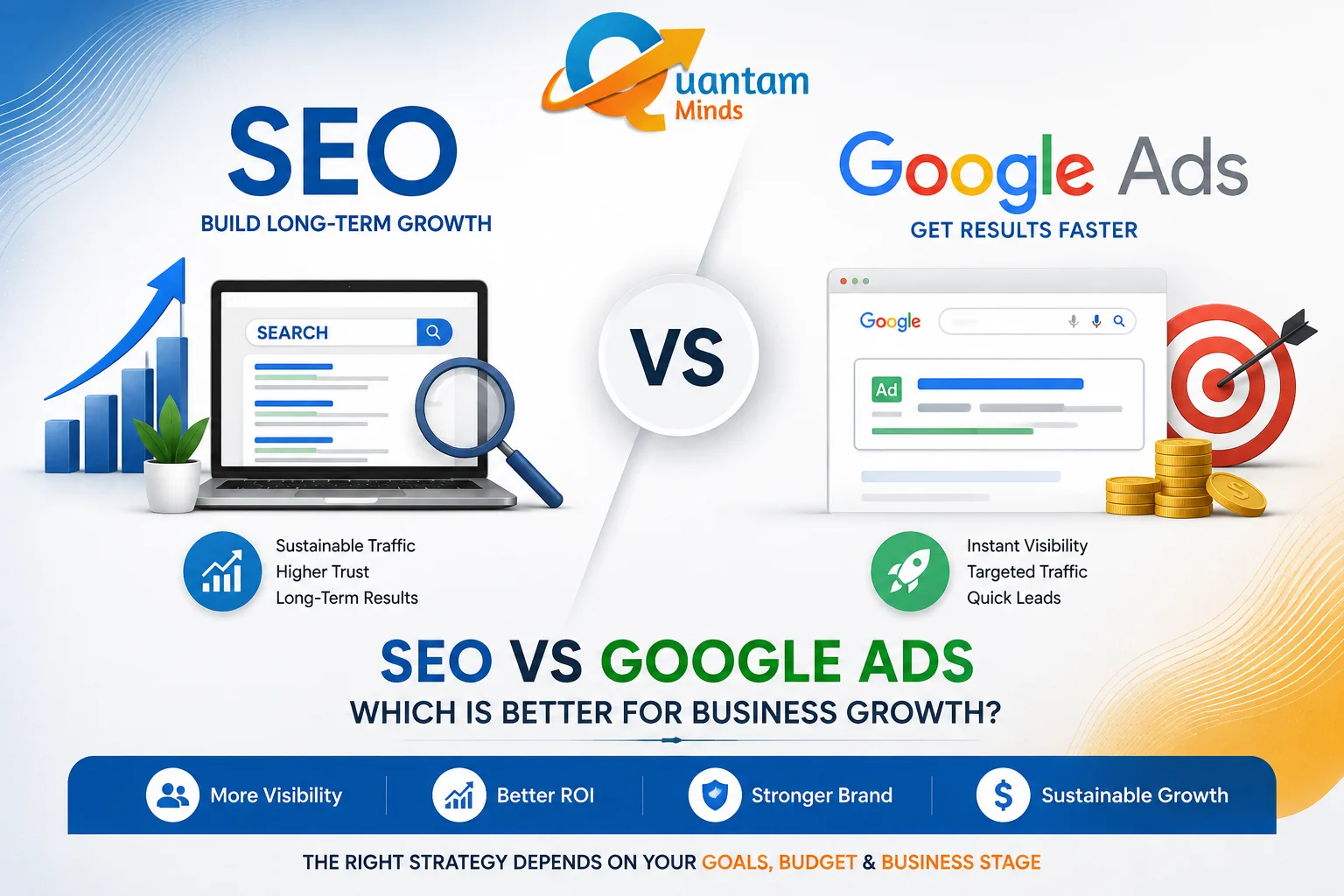
How SEO, Google Ads & Content Marketing Work Together for Long-Term Property Lead Generation

One of the biggest misconceptions in real estate marketing is that businesses must choose between SEO and Google Ads.

In reality, they perform different jobs.

Google Ads creates immediate visibility when buyers are actively searching. SEO for real estate builds long-term organic visibility that continues generating enquiries over time. Content marketing connects both by answering buyer questions, improving search rankings, and building trust throughout the decision-making process.

When these three strategies work independently, businesses often experience inconsistent results.

When they work together, they create a sustainable lead generation system.

Instead of depending entirely on advertising budgets or property portals, businesses begin building digital assets that continue supporting customer acquisition long after individual campaigns end.


Why No Single Marketing Channel Can Support Long-Term Growth

Property buying is rarely a one-visit decision.

A potential buyer may discover your project through Google Ads today, return through an organic Google search next week, read two blog articles, watch a project walkthrough, compare nearby developments, and only then schedule a site visit.

Each marketing channel influences a different stage of that journey.

This is why successful digital marketing for real estate focuses on creating connected customer experiences rather than isolated campaigns.


Understanding the Role of SEO in Real Estate Marketing

SEO for real estate helps businesses appear when buyers search for properties, developers, builders, investment opportunities, or local real estate services.

Unlike paid advertising, SEO continues generating visibility without charging for every click.

A well-executed SEO strategy typically includes:

  • Local keyword optimization
  • Project landing pages
  • Technical website improvements
  • High-quality property content
  • Internal linking
  • Location-based SEO
  • Google Business Profile optimization
  • Structured data implementation

The objective is not simply to increase traffic.

It is to attract visitors already searching for solutions that your business provides.

For example, someone searching for:

  • luxury apartments in Gurgaon
  • commercial property in Noida
  • trusted builders in Sonipat

is often much closer to making an enquiry than someone scrolling through social media.

That intent makes SEO particularly valuable.


Google Ads Captures Buyers When Timing Matters Most

While SEO builds authority gradually, real estate Google Ads allows businesses to appear immediately for high-intent searches.

This makes paid advertising especially effective for:

  • New project launches
  • Inventory clearance campaigns
  • Festive offers
  • Limited-time promotions
  • Newly expanding markets
  • Brand visibility in competitive locations

However, the most successful campaigns are rarely built around advertisements alone.

Strong Google Ads performance usually depends on:

  • High-converting landing pages
  • Relevant keywords
  • Local audience targeting
  • Conversion tracking
  • Continuous optimization
  • Clear calls to action

Without these elements, advertising costs can increase while enquiry quality remains inconsistent.


Content Marketing Builds Confidence Before Buyers Contact You

Content often becomes the bridge between discovery and trust.

Most buyers have questions long before they are ready to speak with a sales representative.

Examples include:

  • Which locality offers better investment potential?
  • Should I buy under-construction or ready-to-move property?
  • How much home loan can I qualify for?
  • What legal documents should I verify?
  • Which builder has completed similar projects?

When businesses answer these questions through useful content, they reduce buyer uncertainty.

This content also strengthens real estate SEO services because search engines increasingly reward pages that genuinely help users make informed decisions.

Helpful content works across multiple channels:

  • Blogs
  • Area guides
  • Investment insights
  • Project comparisons
  • Buying checklists
  • Videos
  • FAQs
  • Case studies

Instead of interrupting buyers with promotions, content becomes part of their research journey.


Organic SEO vs Google Ads: Understanding the Difference

Both channels generate enquiries.

They simply do so in different ways.

SEO (Organic Search) Google Ads (Paid Search)
Builds long-term visibility Delivers immediate visibility
Traffic continues after optimization Traffic depends on advertising budget
Strengthens brand authority Supports short-term campaign goals
Lower long-term acquisition costs Higher immediate scalability
Best for sustainable growth Best for immediate demand generation
Requires consistent optimization Requires ongoing campaign management

Rather than asking which strategy is better, most businesses benefit more from deciding how each can complement the other.


Short-Term Campaigns vs Long-Term Business Growth

Every real estate business faces two marketing objectives.

Generate enquiries today.

Build brand visibility for tomorrow.

These objectives require different approaches.

Short-Term Marketing Priorities

Businesses often prioritize:

  • Project launches
  • Seasonal offers
  • Inventory movement
  • Local promotional campaigns
  • Immediate lead generation

In these situations, real estate Google Ads, social media advertising, and targeted landing pages often produce faster visibility.


Long-Term Growth Priorities

Businesses seeking sustainable growth usually invest in:

  • SEO
  • Content marketing
  • Website authority
  • Local search visibility
  • Brand reputation
  • Educational resources

These activities may require more time initially, but they continue delivering value long after individual campaigns have ended.

Many successful developers use paid advertising to create early momentum while simultaneously investing in SEO and content that reduce future dependence on advertising budgets.


A Practical Business Scenario

Imagine two builders launching similar residential projects.

The first developer allocates the entire marketing budget to Google Ads.

Enquiries arrive quickly.

However, when advertising stops, website traffic declines almost immediately.

The second developer also launches Google Ads but simultaneously invests in SEO for real estate, publishes neighbourhood guides, creates financing resources, optimizes project pages, and develops educational content.

During the first few months, both businesses receive enquiries.

A year later, the second developer continues attracting organic visitors, appears in local search results, receives repeat traffic, and spends less to generate each additional enquiry because digital assets built earlier continue producing value.

Neither strategy was wrong.

The second strategy simply invested in long-term growth alongside immediate results.


Lead Quality Often Matters More Than Lead Volume

One hundred enquiries rarely produce one hundred serious buyers.

In fact, many sales teams spend considerable time filtering prospects who have little intention of purchasing.

Different marketing channels often produce different types of leads.

Marketing Channel Typical Lead Quality
SEO High intent—buyers actively searching
Google Ads High to medium intent depending on targeting
Content Marketing Educated prospects with stronger buying confidence
Social Media Awareness-stage prospects requiring nurturing
Referral Traffic Often highly qualified due to existing trust

Businesses focused only on enquiry numbers sometimes overlook an important metric.

Sales efficiency.

Fewer qualified enquiries often create more business value than a large volume of unqualified leads.


The Strongest Results Come From an Integrated Strategy

Instead of viewing marketing channels as separate investments, successful real estate marketing companies increasingly treat them as connected components of one growth system.

A typical integrated strategy might look like this:

  1. A buyer discovers your project through Google Ads.
  2. They visit a well-optimized landing page.
  3. Later they find your website again through Google Search.
  4. They read helpful articles about the neighbourhood.
  5. They subscribe for project updates.
  6. They receive useful emails and WhatsApp reminders.
  7. They return to compare floor plans.
  8. They schedule a site visit.
  9. The sales team continues nurturing the opportunity until booking.

No single marketing channel generated the sale.

The combination did.


A Simple Decision Framework for Business Owners

Before deciding where to invest, business owners should first identify their immediate objective.

Business Goal Recommended Primary Strategy
Launching a new project Google Ads + Landing Pages + Social Media
Building long-term visibility SEO + Content Marketing
Improving lead quality SEO + Website Optimization + CRM
Increasing local enquiries Local SEO + Google Business Profile
Strengthening brand authority Content Marketing + Reputation Management
Supporting multiple ongoing projects Integrated SEO, Google Ads, Content, and Lead Nurturing

The right strategy is rarely about choosing one channel.

It is about selecting the right combination based on business goals, competition, project stage, and available resources.

Digital marketing for real estate delivers the strongest long-term results when SEO, Google Ads, and content marketing work together. Google Ads generates immediate visibility for high-intent property searches, SEO for real estate builds sustainable organic traffic and authority, while content marketing educates buyers, strengthens trust, and supports search visibility. Businesses that combine these strategies with website optimization and structured lead nurturing typically create a more resilient and cost-effective property lead generation system than relying on a single marketing channel.


The Strategic Question Is No Longer "SEO or Google Ads?"

The better question is:

"How can these channels support each other throughout the buyer journey?"

Businesses that consistently generate qualified enquiries rarely depend on one source of traffic. They build an ecosystem where real estate SEO services, real estate Google Ads, valuable content, optimized landing pages, and thoughtful lead nurturing reinforce one another. This integrated approach not only improves visibility and lead quality but also creates sustainable digital growth that continues supporting the business as projects evolve and market conditions change.

Why Quantam Minds

10+

Years of Digital Excellence

WHY QUANTAM MINDS

More Than A Marketing Agency. Your Growth Partner.

We don't simply build websites or run campaigns. We create complete digital ecosystems that help businesses attract customers, automate operations, improve conversions, and scale with confidence.

Strategy First

Every project begins with understanding your business objectives.

In-House Development

Websites, CRM, ERP and custom software under one roof.

Performance Driven

Every campaign is optimized using measurable KPIs.

AI Automation

Save time through intelligent automation and workflows.

Dedicated Support

Real experts available whenever you need assistance.

Long-Term Partnership

We grow alongside your business, not just deliver projects.

Schedule Free Strategy Session

Common Digital Marketing Mistakes Real Estate Businesses Make (and How to Avoid Them)

Many real estate businesses don't struggle because they aren't investing in marketing.

They struggle because they're investing in activities that don't work together.

It's common to see developers spending heavily on Google Ads while sending visitors to outdated websites. Others generate hundreds of enquiries each month but have no structured follow-up process. Some rely almost entirely on property portals without building their own digital presence, making them vulnerable to increasing lead costs and changing platform algorithms.

These aren't isolated problems.

They're patterns seen across the industry.

The good news is that most of them can be corrected with better planning rather than significantly larger marketing budgets.

The objective isn't simply to market more.

It's to market smarter.


Mistake #1: Treating the Website Like an Online Brochure

One of the most expensive mistakes is assuming that having a website is enough.

In reality, many real estate websites still function like digital brochures.

They showcase beautiful images but answer very few buyer questions.

Visitors often struggle to find:

  • Project pricing
  • Floor plans
  • Location advantages
  • Construction updates
  • Financing information
  • Clear enquiry options
  • Mobile-friendly navigation

Imagine a buyer clicking your Google Ad after searching for apartments in your city.

If the landing page loads slowly or hides essential information behind multiple clicks, that visitor may leave within seconds.

The advertising campaign wasn't the problem.

The website experience was.

A high-performing website should guide buyers naturally toward the next decision instead of making them search for basic information.


Mistake #2: Targeting Everyone Instead of the Right Buyers

Many campaigns fail because they try to reach everyone.

A luxury villa project and an affordable housing development shouldn't use identical messaging, targeting, or advertising channels.

Yet this happens frequently.

Effective digital marketing for real estate begins with understanding:

  • Budget segment
  • Buyer intent
  • Investment goals
  • Preferred locations
  • Age group
  • Family needs
  • Commercial vs residential interests

A campaign reaching 5,000 relevant buyers often produces stronger results than one reaching 100,000 people with little purchasing intent.

Lead quality usually improves when audience selection becomes more precise.


Mistake #3: Weak Brand Positioning in a Crowded Market

In many cities, buyers compare dozens of similar projects within the same budget.

When every advertisement looks the same, decisions become difficult.

Some businesses focus entirely on discounts.

Others highlight amenities that competitors also offer.

Very few communicate why their project deserves attention beyond pricing.

This is where real estate branding becomes valuable.

Strong branding doesn't simply improve recognition.

It helps buyers remember your business after comparing multiple projects over several weeks.

Trust often grows through consistency rather than repetition.


Mistake #4: Running Generic Campaigns Across Every Project

Not every development should be marketed in the same way.

A commercial office project attracts different buyers than plotted developments.

Luxury residences require different messaging than first-time homebuyer projects.

Still, many businesses reuse the same advertisements, landing pages, and creatives across every campaign.

Generic campaigns often produce generic results.

Successful real estate marketing services adapt messaging based on:

  • Property type
  • Buyer profile
  • Location
  • Investment objective
  • Market competition
  • Project lifecycle

The closer marketing aligns with buyer expectations, the stronger campaign performance tends to become.


Mistake #5: No CRM or Structured Follow-Up Process

Generating enquiries is only half the job.

Following up consistently is where many opportunities are lost.

A buyer may not respond immediately because they're:

  • Comparing projects
  • Waiting for loan approval
  • Consulting family
  • Evaluating investment timing

Without a CRM or organized follow-up system, promising enquiries often disappear.

Businesses that integrate lead generation services with CRM workflows, email communication, and WhatsApp Marketing generally maintain better relationships throughout the buyer's decision cycle.

Consistency matters more than frequency.

Helpful follow-ups create confidence.

Persistent sales pressure usually has the opposite effect.


Mistake #6: Measuring Success by Lead Volume Alone

A campaign generating 400 enquiries can appear successful.

Until the sales team starts calling them.

If most leads fall outside the target budget or location, marketing costs increase while conversions remain low.

This is why experienced marketers focus on lead quality instead of enquiry quantity.

Better indicators include:

  • Site visit bookings
  • Qualified conversations
  • Cost per qualified lead
  • Sales conversion rate
  • Customer acquisition cost

High-quality real estate lead generation creates better business outcomes than large numbers of unqualified enquiries.


Mistake #7: Ignoring Analytics and Buyer Behaviour

Many businesses review marketing reports only at the end of each month.

By then, valuable opportunities may already have been lost.

Analytics reveal important patterns such as:

  • Which campaigns generate enquiries
  • Which landing pages convert best
  • Where visitors leave the website
  • Which keywords attract serious buyers
  • Which locations produce stronger conversions

These insights help businesses make informed decisions instead of relying on assumptions.

Continuous optimization usually produces better long-term performance than repeatedly launching new campaigns without reviewing previous results.


Mistake #8: Depending Too Much on Property Portals

Property portals can generate valuable enquiries.

The problem arises when they become the only source of business.

Overdependence creates several risks:

  • Rising lead costs
  • Limited brand visibility
  • Increased competition alongside similar listings
  • Reduced control over customer relationships
  • Heavy reliance on third-party platforms

Businesses investing simultaneously in SEO for real estate, real estate Google Ads, content marketing, and their own website gradually build marketing assets they fully control.

This diversification creates greater stability over time.


Mistake vs Better Approach

Common Mistake Business Consequence Better Approach
Treating the website as a brochure Low enquiry conversion despite good traffic Build fast, mobile-friendly, conversion-focused websites with clear buyer information
Targeting broad audiences High advertising costs and poor lead quality Create audience-specific campaigns based on buyer intent and property type
Weak real estate branding Buyers struggle to differentiate your project Develop consistent messaging, visuals, and trust signals across all channels
Using generic campaigns for every project Lower engagement and weaker campaign performance Customize marketing for each project, location, and audience segment
No CRM or structured follow-up Qualified enquiries become inactive Use CRM, Email Marketing, and WhatsApp Marketing for timely lead nurturing
Focusing only on lead numbers Sales teams spend time on unqualified prospects Measure qualified leads, site visits, and conversion rates instead
Ignoring campaign analytics Repeated marketing inefficiencies Review data regularly and optimize campaigns continuously
Relying only on property portals Rising acquisition costs and limited brand growth Balance portals with SEO, Google Ads, content, and owned digital channels

A Small Observation That Many Businesses Overlook

Consider two developers launching similar projects.

The first celebrates receiving 600 enquiries from multiple advertising platforms.

The second receives only 220.

Six months later, the second developer has booked more site visits and completed more sales.

Why?

Because their marketing attracted buyers who matched the project's budget, location, and purchasing intent.

The difference wasn't visibility.

It was relevance.

Marketing becomes significantly more effective when every stage—from targeting and website experience to follow-up and analytics—is designed around the right customer rather than the largest audience.


Practical Recommendations Before Increasing Your Marketing Budget

Before investing more in advertising, take time to evaluate your current marketing foundation.

Use this checklist:

  • Is your website helping visitors make decisions?
  • Are campaigns targeting clearly defined buyer segments?
  • Does your brand stand out beyond pricing and offers?
  • Are landing pages tailored to each project?
  • Is every enquiry tracked through a CRM?
  • Are follow-ups timely and personalized?
  • Do you measure qualified leads rather than total enquiries?
  • Are campaign decisions based on analytics instead of assumptions?
  • Are you building your own digital assets alongside property portal listings?

Businesses that answer "yes" to most of these questions are generally in a stronger position to scale their marketing sustainably.

Many real estate marketing campaigns underperform not because businesses spend too little, but because they rely on poor websites, broad audience targeting, weak branding, generic campaigns, inconsistent follow-up, low-quality lead generation, limited analytics, and excessive dependence on property portals. A more effective digital marketing for real estate strategy combines audience-focused campaigns, optimized websites, CRM-driven nurturing, SEO, Google Ads, content marketing, and continuous performance analysis to improve lead quality and support long-term business growth.

Building a Sustainable Real Estate Lead Generation System: From First Click to Long-Term Customer Relationships

Generating enquiries is relatively easy.

Generating enquiries that consistently become site visits, bookings, and referrals is far more challenging.

Many real estate businesses focus heavily on the first step—collecting leads—but invest far less attention in what happens afterwards. As a result, marketing teams celebrate large enquiry numbers while sales teams struggle with poor lead quality, inconsistent follow-ups, and declining conversion rates.

A sustainable real estate lead generation system works differently.

It doesn't stop when someone fills out a form.

It guides potential buyers through every stage of the decision-making journey, from their first interaction with your brand to the moment they recommend your project to someone else.

That shift—from generating leads to managing customer relationships—is what creates long-term business growth.


Sustainable Lead Generation Is Built Like a Funnel, Not a Campaign

Many businesses think of lead generation as a single marketing activity.

In reality, it's a connected system.

Each stage supports the next.

If one stage is weak, the entire funnel becomes less effective.

Real Estate Lead Generation Funnel

Funnel Stage Primary Objective Recommended Digital Strategy
Awareness Help buyers discover your brand SEO, Google Ads, Social Media, Google Business Profile
Interest Encourage project exploration Website Optimization, Videos, Content Marketing
Enquiry Capture qualified leads Landing Pages, Lead Forms, Call Tracking
Qualification Identify serious buyers CRM, Sales Qualification, Budget & Requirement Analysis
Nurturing Build trust until buying readiness Email Marketing, WhatsApp Marketing, Educational Content
Site Visit Convert interest into physical engagement Appointment Scheduling, Personalized Follow-ups
Booking Support purchase decisions Sales Consultation, Documentation Assistance
Referral Encourage repeat business and recommendations Customer Experience, Reviews, Referral Campaigns

Notice something important.

Only one stage actually generates the lead.

Everything else determines whether that lead creates business.


Lead Acquisition Is About Visibility at the Right Moment

The first step is ensuring buyers can actually find your business.

Different buyers enter the funnel from different channels.

Some search Google.

Others click a Facebook advertisement.

Some discover your project through YouTube.

Others arrive via referrals.

This is why sustainable digital marketing for real estate combines multiple acquisition channels rather than depending on one platform.

Typical acquisition sources include:

  • SEO for real estate
  • Real estate Google Ads
  • Google Business Profile
  • Social Media Marketing
  • Property-specific landing pages
  • Educational blog content
  • Referral traffic

The objective isn't maximum traffic.

It's attracting buyers who are already looking for properties like yours.


Not Every Lead Deserves the Same Sales Effort

One of the biggest reasons sales teams become overwhelmed is treating every enquiry equally.

In practice, buyers have very different levels of intent.

Some are ready to schedule a site visit.

Others are simply researching the market.

Some are investors.

Others are comparing financing options.

Lead qualification helps businesses prioritize the right opportunities.

Questions often include:

  • Preferred location
  • Budget range
  • Property type
  • Purchase timeline
  • Self-use or investment
  • Loan requirement
  • Site visit readiness

This information helps sales teams spend more time with serious buyers rather than repeatedly calling people who are not yet prepared to make a decision.

Better qualification improves productivity without increasing advertising spend.


Lead Quality Is More Valuable Than Lead Quantity

A campaign generating 500 enquiries may look impressive.

But what if only 20 buyers match the project's target profile?

Now imagine another campaign producing only 150 enquiries.

Seventy of them schedule site visits.

The second campaign creates significantly more business value.

This is why experienced real estate lead generation companies increasingly measure:

  • Cost per qualified lead
  • Site visit rate
  • Sales opportunity rate
  • Booking conversion rate
  • Customer acquisition cost

These metrics provide a clearer picture than enquiry volume alone.


CRM Turns Marketing Into a Repeatable Sales Process

Without a CRM, valuable opportunities often depend entirely on individual sales representatives remembering to follow up.

That approach rarely scales.

CRM integration allows businesses to:

  • Track every enquiry
  • Assign leads automatically
  • Record buyer preferences
  • Schedule follow-ups
  • Monitor communication history
  • Measure conversion stages

Instead of asking,

"Did someone call this lead?"

Managers can see exactly where every prospect sits within the sales pipeline.

For businesses managing multiple projects or sales teams, CRM becomes less of a convenience and more of a necessity.


Email Marketing Keeps Buyers Engaged During Long Decision Cycles

Buying property often takes weeks—or months.

Silence during that period can cause buyers to forget your project entirely.

Well-planned Email Marketing helps maintain engagement without becoming intrusive.

Useful email content might include:

  • Construction progress updates
  • Market insights
  • Area development news
  • Financing guidance
  • Project milestones
  • Home-buying resources
  • Investment trends

Rather than constantly selling, these emails continue adding value.

That consistency keeps your brand relevant until buyers are ready to move forward.


WhatsApp Automation Improves Speed Without Losing Personalization

Many property buyers prefer messaging over phone calls.

They want quick answers, brochures, pricing information, or appointment confirmations without waiting for callbacks.

WhatsApp Marketing helps businesses respond faster while maintaining structured communication.

Automation can support:

  • Instant acknowledgement after enquiries
  • Brochure sharing
  • Site visit confirmations
  • Project update notifications
  • Appointment reminders
  • Customer support

The objective is convenience.

Not excessive promotional messaging.

Automation should assist conversations—not replace genuine customer interaction.


Conversion Tracking Helps Businesses Understand What Actually Works

Marketing budgets often increase because businesses know how much they're spending.

Fewer know exactly which activities generate revenue.

Conversion tracking connects marketing with business outcomes.

It helps answer questions such as:

  • Which Google Ads campaign produced booked site visits?
  • Which landing page generated the highest-quality enquiries?
  • Which location attracts better buyers?
  • Which blog articles influence enquiries?
  • Which marketing channel delivers the lowest customer acquisition cost?

These insights allow continuous improvement instead of relying on assumptions.

Better decisions come from better data.


Referrals Are Often the Most Cost-Effective Leads

One stage that many businesses overlook comes after the sale.

Satisfied customers become advocates.

A positive buying experience often leads to:

  • Family referrals
  • Friend recommendations
  • Online reviews
  • Social media mentions
  • Repeat investment purchases

Referral marketing is rarely accidental.

It usually results from consistent customer communication before, during, and after the transaction.

Businesses focusing only on acquiring new leads often miss opportunities created by existing customers.


A Practical Example

Consider two developers completing similar residential projects.

The first developer spends aggressively on advertising every month.

Leads arrive consistently.

However, there is no CRM, follow-ups vary between sales representatives, and many enquiries receive no further communication after the initial call.

The second developer generates fewer real estate leads but manages every enquiry through a structured CRM.

Buyers receive personalized follow-ups, WhatsApp reminders, educational emails, and regular project updates.

Months later, more prospects return for site visits.

Several buyers recommend the project to relatives.

Advertising generated the first enquiry.

The follow-up system generated the sale.


Building a Sustainable Lead Generation Checklist

Before increasing advertising budgets, business owners should evaluate whether these systems are already in place.

✔ Multiple lead acquisition channels

✔ High-converting landing pages

✔ Clear lead qualification process

✔ CRM integration

✔ Email nurturing sequences

✔ WhatsApp automation

✔ Conversion tracking dashboards

✔ Regular sales and marketing alignment

✔ Customer review collection

✔ Referral encouragement after successful purchases

When these components work together, marketing becomes significantly more predictable.


Lead Quality vs Lead Quantity

Focus Area Quantity-Driven Marketing Quality-Driven Marketing
Primary Goal Generate as many enquiries as possible Generate buyers who match the project profile
Success Metric Number of leads Qualified leads and bookings
Sales Team Impact High filtering workload More productive conversations
Marketing Efficiency Higher acquisition costs over time Better long-term ROI
Customer Experience Generic follow-ups Personalized communication
Business Growth Inconsistent More sustainable and scalable

A sustainable real estate lead generation system extends beyond capturing enquiries. It combines SEO, Google Ads, website optimization, CRM integration, lead qualification, Email Marketing, WhatsApp Marketing, conversion tracking, and referral strategies to attract higher-quality prospects and nurture them through the buying journey. Businesses that prioritize lead quality, structured follow-up, and continuous optimization typically build more predictable pipelines and stronger long-term growth than those focused solely on enquiry volume.


Sustainable Growth Comes From Systems, Not Individual Campaigns

The most successful real estate businesses rarely depend on one exceptional advertisement or a single high-performing campaign.

They build systems.

Systems that attract the right audience.

Systems that qualify opportunities.

Systems that nurture relationships.

Systems that help sales teams respond consistently.

And systems that turn satisfied buyers into future referrals.

That is the real objective of digital marketing for real estate—not simply generating more leads, but creating a reliable customer acquisition engine that continues supporting the business as projects grow, markets evolve, and buyer expectations change.

Trusted By 174+ Businesses

Why Growing Companies Choose Quantam Minds

We combine technology, strategy, creativity and measurable execution to help ambitious businesses build stronger brands, attract more customers and achieve long-term digital growth.

1545+

Projects Delivered

174+

Business Clients

10+

Years Experience

98%

Client Satisfaction
Dedicated Industry Experts
Transparent Project Execution
Tailored Business Solutions
Modern Technology Stack
Performance Driven Strategy
Long-Term Business Partnership
Trusted by Startups • SMEs • Enterprises Across India
Discuss Your Project

Who Can Benefit from Digital Marketing for Real Estate?

Every real estate business wants more enquiries.

But not every business needs the same marketing strategy.

A residential developer launching a township has very different goals from a local property consultant selling ready-to-move apartments. A luxury builder targeting high-net-worth buyers cannot market projects the same way as an affordable housing developer focused on first-time homebuyers.

This is why successful digital marketing for real estate begins with understanding the business model before selecting the marketing channels.

The objective isn't to apply the same strategy to everyone.

It's to build a digital growth plan that reflects how buyers actually search, compare, and make purchasing decisions within each segment of the real estate industry.


Builders: Creating Visibility for New Projects While Building Brand Trust

Builders often invest heavily in project development but struggle with one important question after construction begins.

"How do we consistently attract qualified buyers?"

Launching a new residential or commercial project requires more than advertisements.

Potential buyers want to understand:

  • Builder credibility
  • Construction quality
  • Previous projects
  • Possession history
  • Project location
  • Investment potential

A strategic combination of real estate SEO services, real estate Google Ads, content marketing, project landing pages, and social media helps builders remain visible throughout the buyer's research journey rather than only during launch campaigns.

Primary Marketing Focus

  • Project launch campaigns
  • Brand visibility
  • Qualified lead generation
  • Website optimization
  • Long-term organic growth

Developers: Managing Multiple Projects Across Different Markets

Developers often face a different challenge.

Instead of marketing one project, they may be promoting multiple residential, commercial, or mixed-use developments simultaneously.

Each project serves a different audience.

Each location has different competition.

Each campaign requires different messaging.

An integrated real estate digital marketing strategy helps developers organize campaigns while maintaining consistent brand positioning across every project.

Rather than competing internally, each development receives marketing tailored to its own audience and business objectives.

Primary Marketing Focus

  • Multi-project marketing
  • Location-based SEO
  • Google Ads management
  • Brand consistency
  • Performance reporting

Real Estate Agencies: Competing in Highly Competitive Local Markets

Real estate agencies rarely have the advantage of marketing exclusive inventory.

Instead, they compete through expertise, relationships, and local market knowledge.

Buyers searching for agencies usually compare:

  • Online reviews
  • Local reputation
  • Property availability
  • Response speed
  • Market expertise

This makes local visibility particularly important.

Services such as Google Business Profile Optimization, SEO for real estate, local content creation, and lead generation services help agencies attract buyers actively searching within specific locations.

Primary Marketing Focus

  • Local SEO
  • Google Business Profile
  • Local lead generation
  • Website enquiries
  • Online reputation

Property Consultants: Building Personal Credibility Before the First Conversation

Property consultants often become the face of the business.

Buyers aren't simply evaluating available properties.

They're evaluating the person offering advice.

Strong real estate branding, educational content, market insights, and professional social media activity help consultants demonstrate expertise before speaking directly with potential clients.

Over time, this builds trust that generic advertising rarely achieves.

Primary Marketing Focus

  • Personal branding
  • Educational content
  • Social proof
  • Referral marketing
  • Relationship building

Luxury Real Estate Projects: Selling Lifestyle Before Selling Property

Luxury buyers behave differently.

Price is rarely their only consideration.

They evaluate:

  • Design
  • Exclusivity
  • Privacy
  • Community
  • Brand reputation
  • Long-term investment value

Because of this, luxury marketing relies less on promotional messaging and more on storytelling.

High-quality photography, cinematic videos, premium website experiences, and carefully planned real estate branding often influence perception long before buyers request pricing.

Trust and aspiration work together.

Primary Marketing Focus

  • Premium branding
  • Luxury storytelling
  • Video marketing
  • High-end website design
  • Targeted paid advertising

Commercial Real Estate Projects: Reaching Investors and Business Decision-Makers

Commercial property buyers often make decisions differently from residential buyers.

Their priorities include:

  • Return on investment
  • Rental demand
  • Business accessibility
  • Infrastructure
  • Future appreciation
  • Occupancy potential

Their research is usually more analytical.

Content marketing, investment-focused landing pages, market reports, and Google Ads targeting commercial search intent help businesses reach decision-makers looking beyond lifestyle benefits.

Primary Marketing Focus

  • Investment-focused SEO
  • Commercial Google Ads
  • Market research content
  • Investor lead generation
  • Data-driven campaigns

Affordable Housing Projects: Building Reach Without Sacrificing Lead Quality

Affordable housing developments often attract large numbers of enquiries.

The challenge isn't generating interest.

It's identifying serious buyers.

Campaigns targeting broad audiences frequently produce enquiries from people who fall outside the project's eligibility criteria or budget.

Better audience segmentation, localized campaigns, landing pages, and structured qualification processes help improve real estate lead generation while reducing unnecessary workload for sales teams.

Primary Marketing Focus

  • Audience targeting
  • Local advertising
  • Affordable housing SEO
  • CRM integration
  • Lead qualification

Plot Developers: Educating Buyers Before They Invest

Plot purchases usually involve more research than emotional decision-making.

Buyers often ask:

  • Is the land legally approved?
  • What infrastructure is planned?
  • What are future appreciation prospects?
  • Is financing available?
  • What development surrounds the project?

Content marketing becomes especially valuable here.

Blogs, investment guides, area development updates, and educational videos help answer these questions before buyers contact the sales team.

Primary Marketing Focus

  • Educational content
  • SEO
  • Investment guides
  • Google Ads
  • Long-term lead nurturing

Real Estate Franchise Networks: Maintaining Brand Consistency Across Locations

Franchise businesses face a unique challenge.

They need local marketing while protecting national brand standards.

One office may serve first-time homebuyers.

Another focuses on luxury properties.

Another specializes in commercial investments.

Digital marketing systems help franchise networks maintain:

  • Consistent branding
  • Centralized reporting
  • Local SEO
  • Location-specific campaigns
  • Standardized lead management

This balance allows local flexibility without losing overall brand identity.

Primary Marketing Focus

  • Multi-location SEO
  • Local Google Business Profiles
  • Brand governance
  • Marketing automation
  • Centralized analytics

PropTech Startups: Explaining Innovation Clearly

Technology-driven real estate businesses often solve complex problems.

Unfortunately, many struggle to communicate those solutions simply.

Whether offering:

  • Property management software
  • AI-based property search
  • Virtual property tours
  • Investment platforms
  • Smart home technology

buyers first need to understand the value.

Thought leadership, content marketing, SEO, webinars, product demonstrations, and targeted advertising help PropTech companies educate their audience before expecting conversions.

Primary Marketing Focus

  • Content marketing
  • Product education
  • SEO
  • SaaS lead generation
  • Thought leadership

Different Businesses, Different Marketing Priorities

Business Type Primary Challenge Recommended Digital Marketing Focus
Builders Launching projects and building credibility SEO, Google Ads, Website Development, Content Marketing
Developers Managing multiple campaigns SEO, Paid Advertising, Branding, Analytics
Real Estate Agencies Local competition Local SEO, Google Business Profile, Lead Generation
Property Consultants Building personal trust Content Marketing, Social Media, Reputation Management
Luxury Projects Selling aspiration and exclusivity Premium Branding, Video Marketing, Google Ads
Commercial Projects Attracting investors SEO, Investment Content, Paid Search
Affordable Housing Improving lead quality Audience Targeting, CRM, Lead Qualification
Plot Developers Educating buyers SEO, Educational Content, Landing Pages
Franchise Networks Multi-location consistency Local SEO, Marketing Automation, Centralized Reporting
PropTech Startups Explaining innovative solutions SEO, Content Strategy, Product Marketing

A Practical Observation

Two businesses may both operate in the real estate industry, yet their marketing priorities can be completely different.

A builder launching a premium residential township needs to establish long-term brand credibility and showcase project value. A property consultant, on the other hand, may succeed by becoming the most trusted local expert in a specific neighbourhood. Applying the same marketing strategy to both would likely reduce effectiveness for each.

The strongest real estate marketing services are built around business objectives—not assumptions.

Digital marketing for real estate benefits a wide range of businesses, including builders, developers, real estate agencies, property consultants, luxury projects, commercial developments, affordable housing providers, plot developers, franchise networks, and PropTech startups. While every segment shares the goal of attracting qualified buyers, each faces different challenges related to branding, lead generation, local visibility, buyer education, or market competition. A tailored digital strategy aligned with business goals typically delivers stronger long-term growth than a one-size-fits-all marketing approach.

Why Businesses Choose Quantam Minds as Their Real Estate Digital Marketing Partner

Choosing a digital marketing partner is rarely just about finding someone who can run advertisements or improve search rankings.

For most builders, developers, property consultants, and real estate businesses, the bigger question is:

"Will this strategy actually support our business goals over the next few years?"

Every project has different timelines.

Every location has different competition.

Every buyer segment behaves differently.

A strategy that performs well for a luxury residential project may not work for an affordable housing development. Similarly, a commercial real estate campaign requires a different approach than marketing plotted developments or local brokerage services.

At Quantam Minds, we believe successful digital marketing for real estate starts with understanding the business before recommending the marketing channels.

Technology, advertising platforms, and algorithms continue to evolve.

Business objectives remain the foundation.


We Start With Strategy, Not Marketing Packages

Many agencies begin conversations by recommending services.

SEO.

Google Ads.

Social media.

Content marketing.

Our process usually begins differently.

We first try to understand questions like:

  • What type of real estate business are you building?
  • Who are your ideal buyers?
  • Which projects need immediate visibility?
  • Which markets offer the greatest opportunity?
  • What challenges are affecting enquiry quality?
  • How are your current marketing channels performing?

Only after understanding these answers do we recommend a suitable digital strategy.

This approach helps businesses invest where it matters instead of spreading budgets across activities that may deliver limited value.


Every Strategy Is Built Around Business Goals

Two developers can operate in the same city while requiring completely different marketing plans.

One may be launching a premium residential township.

Another may be focused on selling commercial office spaces.

Although both belong to the real estate sector, their audiences, buying cycles, search behavior, and decision-making processes differ significantly.

Rather than applying a standard marketing template, we develop customized strategies based on factors such as:

  • Business objectives
  • Project lifecycle
  • Target audience
  • Geographic market
  • Competition
  • Sales process
  • Available marketing resources

This creates campaigns that align more closely with how buyers actually make purchasing decisions.


Data Helps Us Improve Decisions—Not Replace Experience

Marketing decisions should not rely entirely on assumptions.

At the same time, numbers alone rarely tell the complete story.

A campaign may generate strong website traffic but low enquiry quality.

Another may produce fewer enquiries but significantly higher booking rates.

Looking only at traffic or lead volume can create misleading conclusions.

We combine analytics with practical business understanding to evaluate:

  • Search behaviour
  • Campaign performance
  • Conversion trends
  • Customer acquisition costs
  • Lead quality
  • Landing page performance
  • Buyer engagement

The objective is continuous learning and improvement rather than chasing vanity metrics.


Industry Understanding Shapes Better Marketing

Real estate marketing is different from marketing restaurants, retail stores, or consumer products.

Buying decisions involve:

  • Higher financial commitment
  • Longer research periods
  • Multiple family discussions
  • Financing considerations
  • Legal verification
  • Emotional and investment factors

These realities influence every marketing decision.

Content must answer genuine buyer questions.

Advertising must reach the right audience at the right stage.

Websites must reduce uncertainty instead of creating confusion.

Understanding these industry dynamics helps us create marketing strategies that reflect how property buyers actually behave—not how marketing textbooks assume they do.


Long-Term Partnerships Create Better Results Than Short-Term Campaigns

Many businesses approach digital marketing with individual campaigns.

Launch a project.

Run advertisements.

Generate enquiries.

Stop marketing.

The challenge is that buyer behaviour doesn't follow campaign calendars.

Brand visibility develops over time.

Search authority grows gradually.

Trust is earned through consistency.

For this reason, we focus on building long-term partnerships where strategies continue evolving as markets, projects, and customer expectations change.
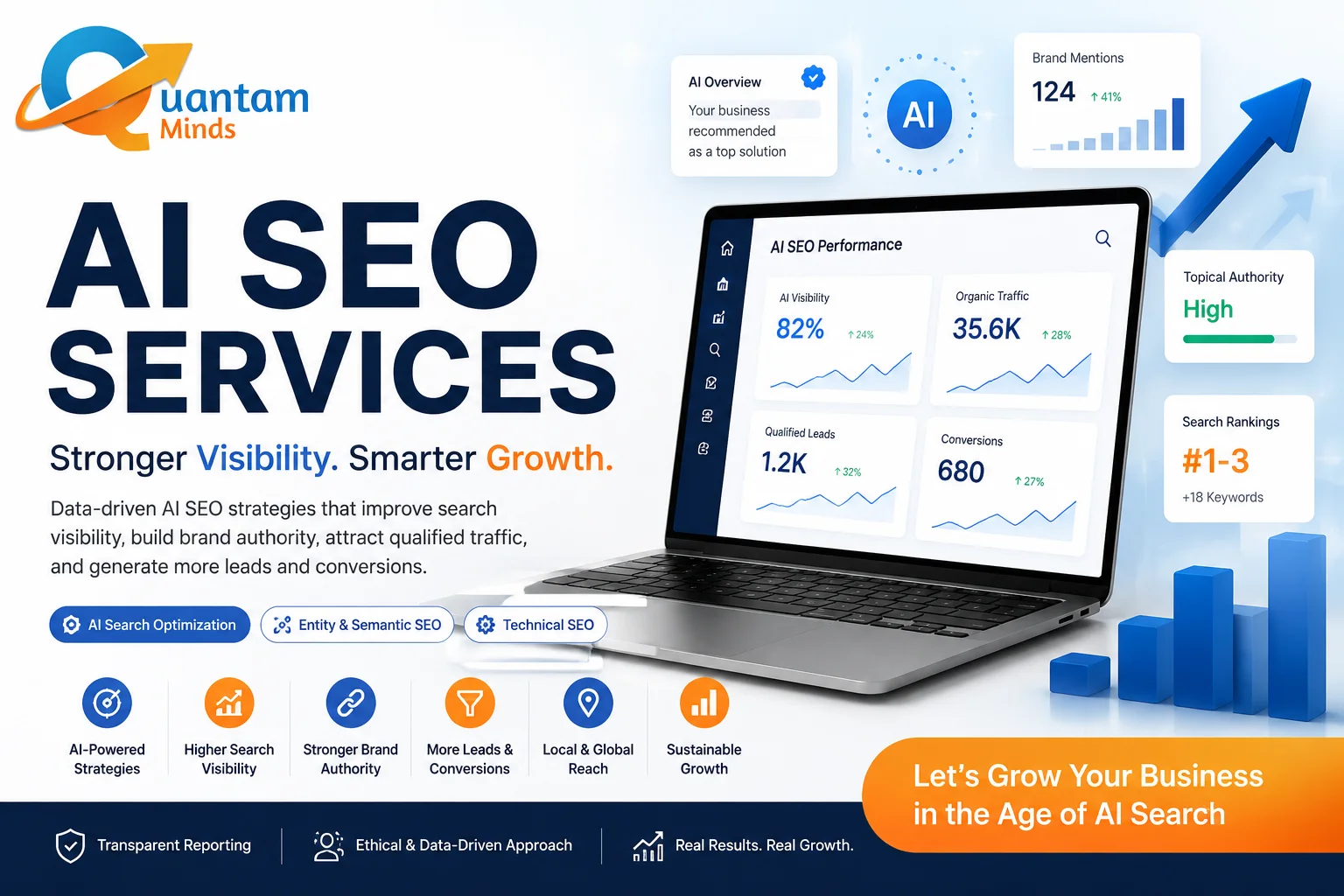
Continuous improvement often produces stronger business outcomes than repeatedly starting from scratch.


Transparent Reporting Builds Better Conversations

Marketing reports should help business owners make decisions.

They shouldn't create confusion.

Our reporting philosophy emphasizes clarity over complexity.

Instead of overwhelming clients with dozens of disconnected metrics, we focus on information that supports better business planning, including:

  • Website growth
  • Organic search performance
  • Campaign insights
  • Lead trends
  • Conversion performance
  • Audience behaviour
  • Strategic recommendations

The purpose of reporting is not simply to explain what happened.

It is to identify what should happen next.


Continuous Optimization Is Part of the Process

Digital marketing isn't a one-time setup.

Search behaviour changes.

Competition changes.

Advertising platforms evolve.

Customer expectations continue shifting.

Successful campaigns adapt accordingly.

Instead of assuming a strategy will perform indefinitely, we regularly review:

  • SEO performance
  • Paid campaign efficiency
  • Landing page conversions
  • User behaviour
  • Content effectiveness
  • Lead quality
  • Local search visibility

Small improvements made consistently often create greater long-term impact than occasional large changes.


Cross-Channel Expertise Creates Better Customer Journeys

Buyers rarely interact with only one marketing channel.

A typical customer might:

  • Discover your business through Google Search.
  • Return via a Google Ads campaign.
  • Read a neighbourhood guide.
  • Watch a project video.
  • Follow your social media page.
  • Download a brochure.
  • Receive a WhatsApp reminder.
  • Schedule a site visit.

Each interaction contributes to the final decision.

Because of this, our approach integrates multiple services where appropriate, including:

  • SEO Services
  • Google Ads Management
  • Social Media Marketing
  • Content Writing
  • Website Development
  • Google Business Profile Optimization
  • Online Reputation Management
  • Lead Generation Services
  • Email Marketing
  • WhatsApp Marketing

Rather than treating these as separate activities, we align them around one objective—creating a smoother customer journey from discovery to enquiry.


What Businesses Can Expect When Working With Quantam Minds

Every partnership is different, but our approach is built around a few consistent principles.

Strategic Discovery

We begin by understanding your business model, projects, target audience, competitors, and growth objectives before recommending marketing activities.

Customized Planning

Marketing strategies are designed around your specific business requirements, not generic service packages.

Collaborative Communication

We believe marketing performs better when business teams and marketing teams share insights regularly and make informed decisions together.

Continuous Improvement

Campaigns are reviewed, refined, and optimized based on performance data, market conditions, and changing customer behaviour.

Long-Term Perspective

Our focus is on building sustainable digital assets that continue supporting growth rather than pursuing short-lived marketing spikes.


Why Trust Matters More Than Marketing Claims

Businesses don't build successful projects overnight.

Marketing shouldn't promise overnight success either.

Trust grows through:

  • Consistent execution
  • Honest communication
  • Practical recommendations
  • Transparent reporting
  • Measurable progress
  • Adaptability
  • Industry understanding

These principles shape how we approach every client relationship.

Rather than making unrealistic promises, we focus on helping businesses make better marketing decisions that support sustainable growth.


What Makes Our Partnership Approach Different?

Our Focus What It Means for Your Business
Strategic Planning Marketing aligned with business objectives rather than isolated campaigns
Industry Understanding Strategies designed around real estate buyer behaviour and market dynamics
Customized Execution Solutions tailored to your projects, audience, and growth goals
Data-Informed Decisions Continuous refinement using meaningful performance insights
Cross-Channel Expertise SEO, Google Ads, content, social media, and lead generation working together
Transparent Reporting Clear reporting focused on business outcomes and next steps
Long-Term Collaboration Ongoing optimization that evolves with your projects and market conditions

Why Businesses Partner with Quantam Minds

At Quantam Minds, we see ourselves as a strategic digital growth partner rather than simply a service provider. Our approach combines industry understanding, customized planning, data-informed decision-making, transparent reporting, and continuous optimization to help builders, developers, real estate agencies, and property consultants create sustainable digital growth. By aligning SEO, paid advertising, content, branding, and lead generation around clear business objectives, we help clients build stronger digital foundations that support long-term success in an increasingly competitive real estate market.

FREQUENTLY ASKED QUESTIONS

Everything You Need To Know Before Starting Your Project

We believe in complete transparency. Here are answers to the most common questions businesses ask before partnering with Quantam Minds.

Today's property buyers spend significant time researching online before scheduling a site visit. A well-planned digital marketing for real estate strategy helps builders improve online visibility, build buyer confidence, generate qualified enquiries, and create multiple customer touchpoints throughout the buying journey. It also supports sustainable business growth by reducing dependence on a single marketing channel.

There isn't one strategy that works for every business. Most successful real estate companies combine SEO for real estate, real estate Google Ads, content marketing, social media, and lead nurturing based on their goals. The right mix depends on project type, target audience, competition, location, and whether the focus is immediate lead generation or long-term brand growth.

Results vary depending on the chosen marketing channels and business objectives. Paid campaigns such as real estate Google Ads can generate visibility relatively quickly, while SEO and content marketing typically require consistent optimization over time. Sustainable digital growth usually comes from combining short-term campaigns with long-term strategies that continue delivering value beyond individual promotions.

Higher enquiry numbers do not always translate into more sales. Businesses can improve lead quality by defining their ideal audience, creating project-specific landing pages, qualifying enquiries through CRM systems, and using personalized follow-up through email and WhatsApp. Combining these efforts with targeted real estate lead generation campaigns helps sales teams spend more time with genuinely interested buyers.

SEO and Google Ads serve different business purposes rather than competing with each other. SEO for real estate builds long-term organic visibility and authority, while real estate Google Ads helps businesses appear immediately for high-intent property searches. Many developers achieve stronger results by using paid advertising for immediate visibility while simultaneously investing in SEO for sustainable growth.

Yes. Digital marketing is valuable for businesses of every size. Local agencies and property consultants often benefit from Google Business Profile Optimization, local SEO, content marketing, and online reputation management. These strategies help improve visibility in location-based searches and establish trust with buyers who are comparing multiple agencies before making contact.

A website is often the first detailed interaction buyers have with a real estate business. Even successful advertising campaigns may underperform if visitors encounter slow pages, incomplete project information, or confusing navigation. Optimized websites improve user experience, encourage enquiries, and support both SEO performance and overall conversion rates throughout the buyer journey.

Content marketing helps buyers make informed decisions by answering common questions about locations, investment opportunities, financing, legal considerations, and project features. It also strengthens real estate SEO services by improving search visibility and building credibility. Useful content often keeps businesses visible throughout the research process, even before prospects contact the sales team.

Property purchases usually involve longer decision cycles, making consistent follow-up essential. CRM systems organize enquiries, while Email Marketing and WhatsApp Marketing help businesses share project updates, appointment reminders, and useful information at appropriate stages. These tools support relationship building, improve communication, and help nurture qualified prospects until they are ready to move forward.

When evaluating a digital marketing agency for real estate, look beyond promises of quick results. Consider whether the agency understands the real estate buying journey, offers customized strategies, provides transparent reporting, integrates SEO, Google Ads, content, branding, and lead generation, and focuses on continuous optimization. A strategic partner should help your business make informed marketing decisions that support long-term, sustainable growth rather than relying on short-term tactics alone.

Still Have Questions?

Talk directly with our experts and get personalized guidance for your business.

KNOWLEDGE HUB

Learn, Grow & Stay Ahead

Explore expert insights, practical guides, industry trends, and digital strategies to help your business grow online.

🚀 New Articles Every Week

Explore 500+ Expert Articles On SEO, AI, Google Ads & Web Development

Practical guides, industry insights, case studies, marketing strategies, AI trends, and technical tutorials written to help businesses grow online.

Visit Knowledge Hub

Table of Contents

Navigate this page
Contact Quantam Minds

Let's Build Something Amazing Together

Have a website, CRM, HRM, ERP or custom software requirement? Connect with our team and discuss your project goals today.

Office Address

Baba Colony, Sector 25, Sonipat, Haryana 131001

Working Hours

Monday - Saturday
09:00 AM - 07:00 PM

Need Immediate Assistance?

Chat directly with our development experts and get quick guidance.

WhatsApp Us
Call Expert WhatsApp Us